
 English
 русский
 Español
 Indonesia
 Tiếng Việt
 Current Location:
Categories
Hot News
-
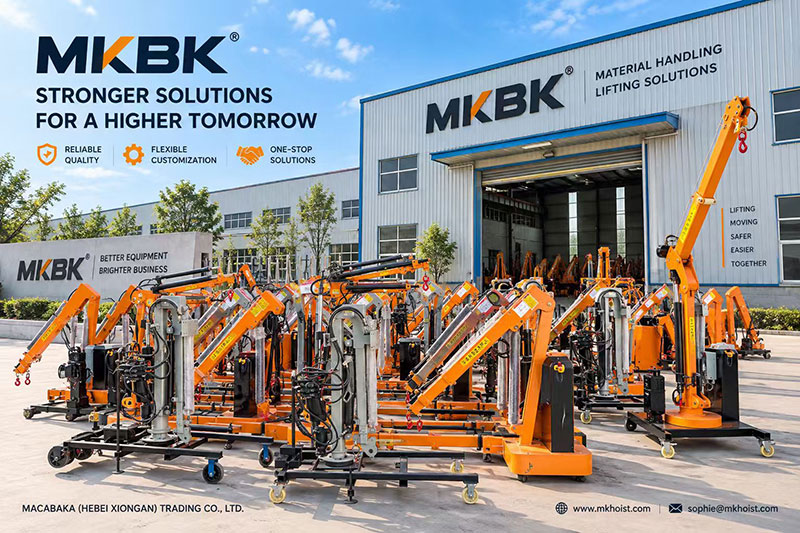
Mobile Hydraulic Electric Crane with Automatic Telescopic Boom: Move, Lift and Position Heavy Loads with Less Effort
-
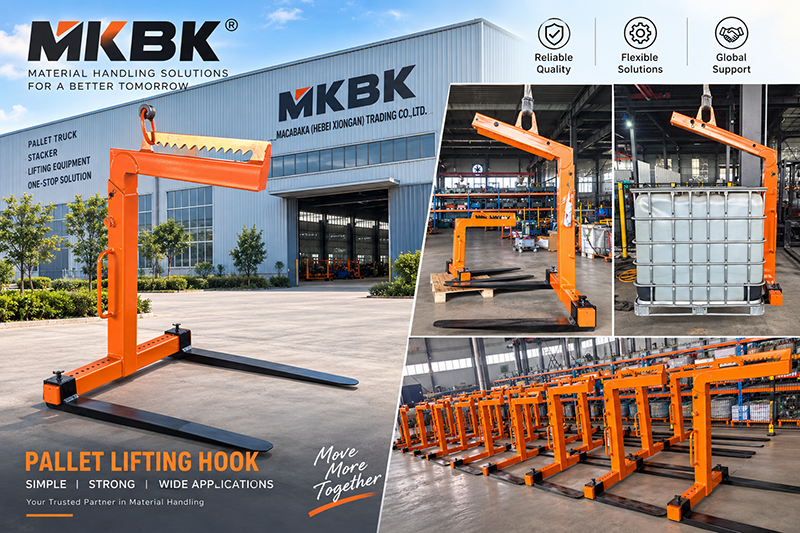
Manual Balanced Fork Crane 1–5 Ton: A Practical Lifting Solution for Tight Spaces
-
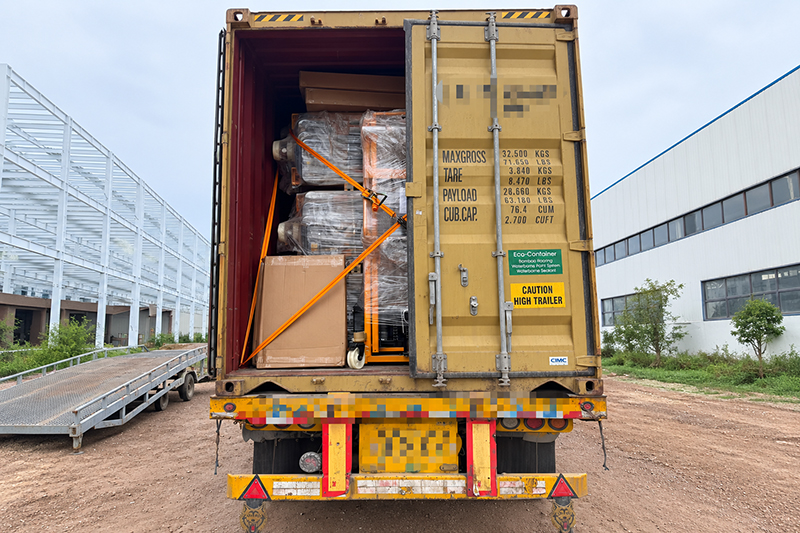
Mixed Loading Material Handling Equipment in One 40HQ Container: A Smarter Way to Reduce Shipping Costs
-
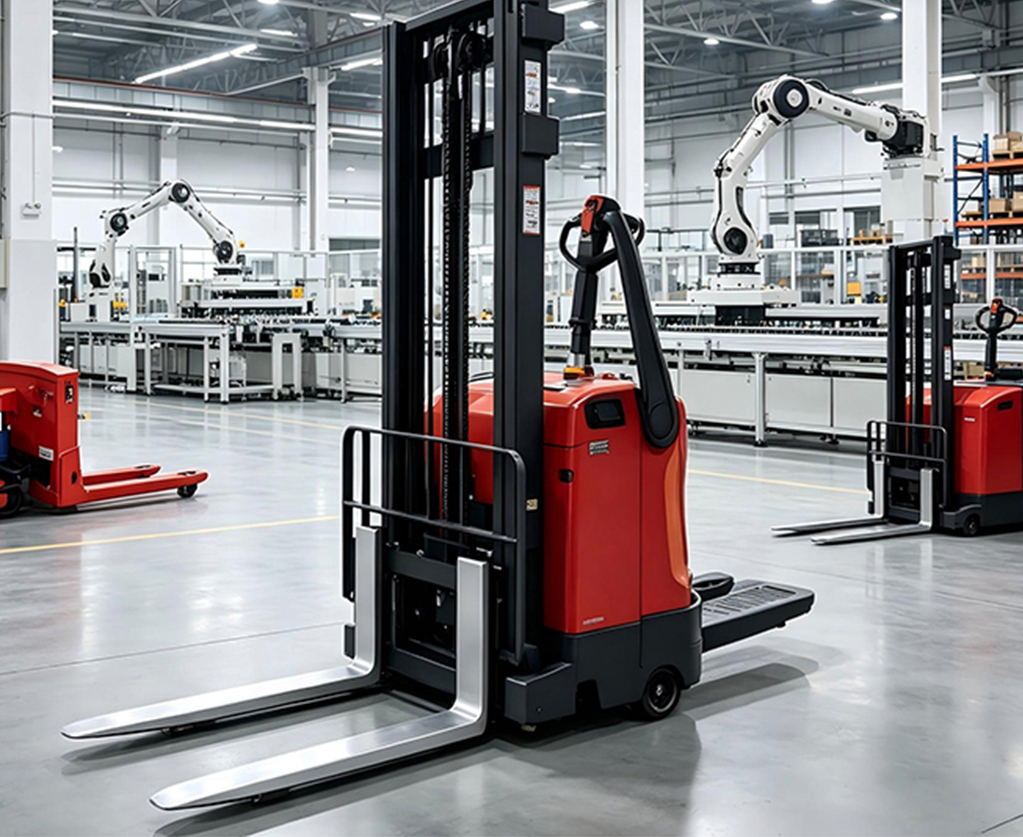
Material Handling Equipment: How to Choose the Right Pallet Truck and Electric Stacker for Your Business
Online consulting
If you have any questions, please contact our online customer service staff immediately
Mobile Hydraulic Electric Crane with Automatic Telescopic Boom: Move, Lift and Position Heavy Loads with Less Effort
 Click:8
  Time:2026-09-17 14:49:18
A good lifting machine doesn’t just lift the load — it saves the steps, the time and the people around it.
In many workshops and warehouses, lifting a heavy component is only half of the job.
The real challenge is often everything around it:
How do you move the crane to the load?
How do you reach over a machine or workbench?
How do you position the suspended component accurately?
And how many workers are needed to complete the whole process?
This is exactly where a Mobile Hydraulic Electric Crane with Automatic Telescopic Boom becomes useful.
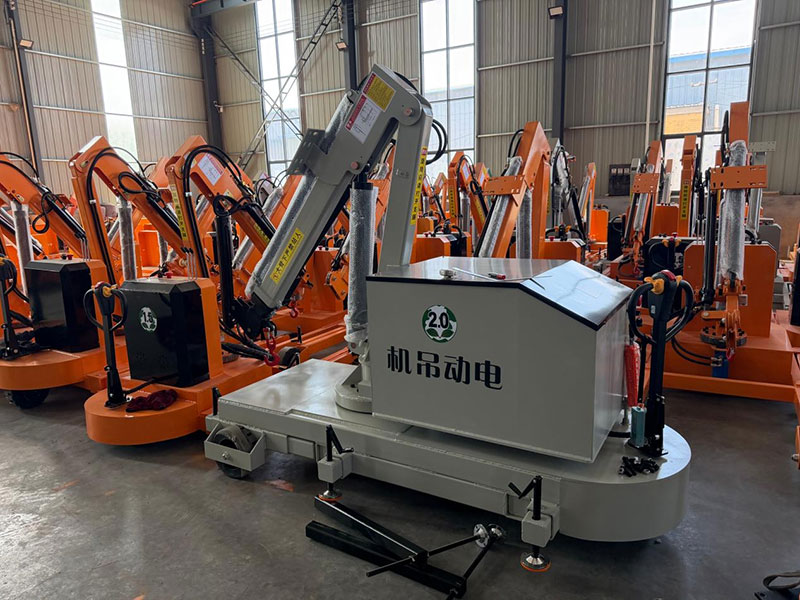
Combining an automatic telescopic boom, hydraulic lifting system, electric travel and mobile crane structure, this compact lifting machine is designed to make everyday lifting, moving and positioning jobs faster and easier.
For customers with different working environments, MKBK Hoist can also provide customized configurations according to actual lifting requirements.
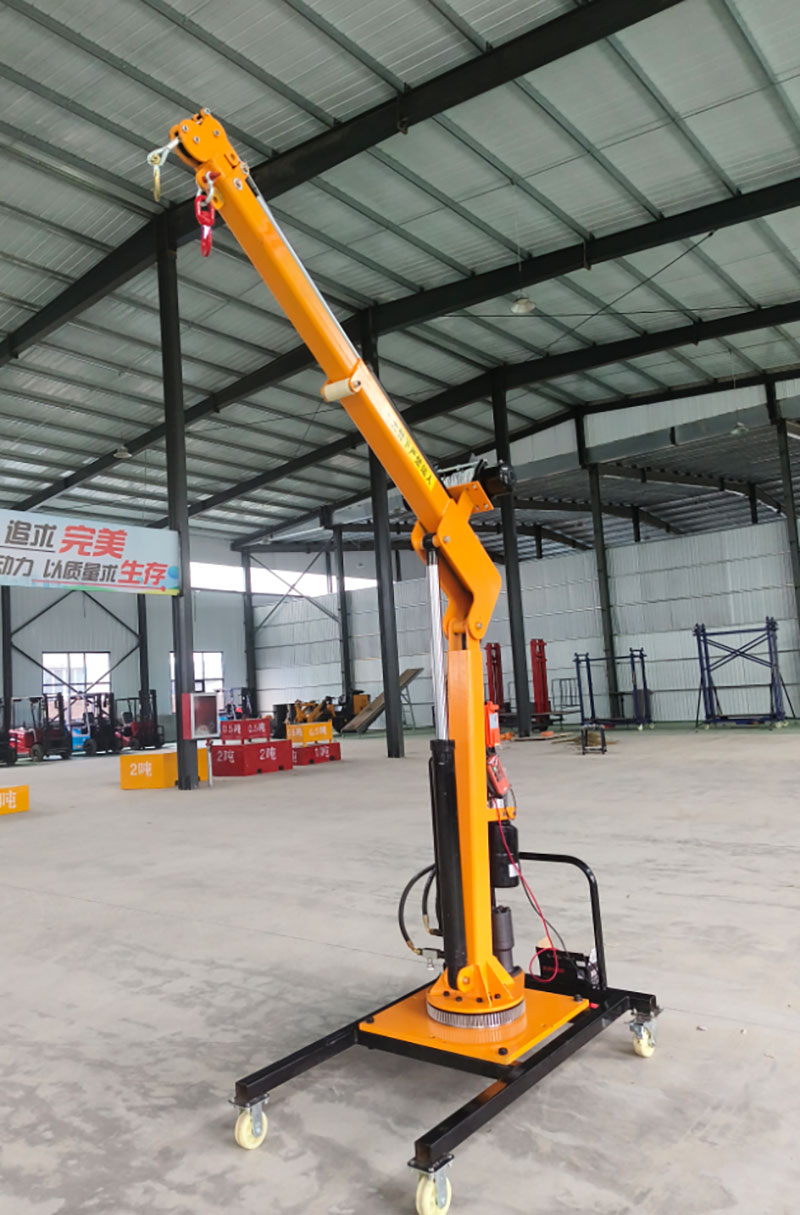
But its real advantage comes from combining several functions in one unit.
Traditional workshop lifting may involve a manual crane for lifting, workers for pushing and pulling, and additional equipment for final positioning.
With an electric mobile crane, several of these operations can be integrated into one machine.
The operator can move the crane toward the working area, adjust its position, extend the boom according to the job, lift the component and move it toward the required installation or maintenance position.
This can reduce unnecessary manual handling and make repetitive lifting work much more efficient.
For workshops handling motors, molds, machinery components and maintenance parts every day, that difference adds up quickly.
In real working conditions, the load is not always conveniently positioned directly beside the crane.
It may be:
inside a machine,
behind equipment,
over a workbench,
between production equipment,
or in a position that is difficult for the crane body to approach.
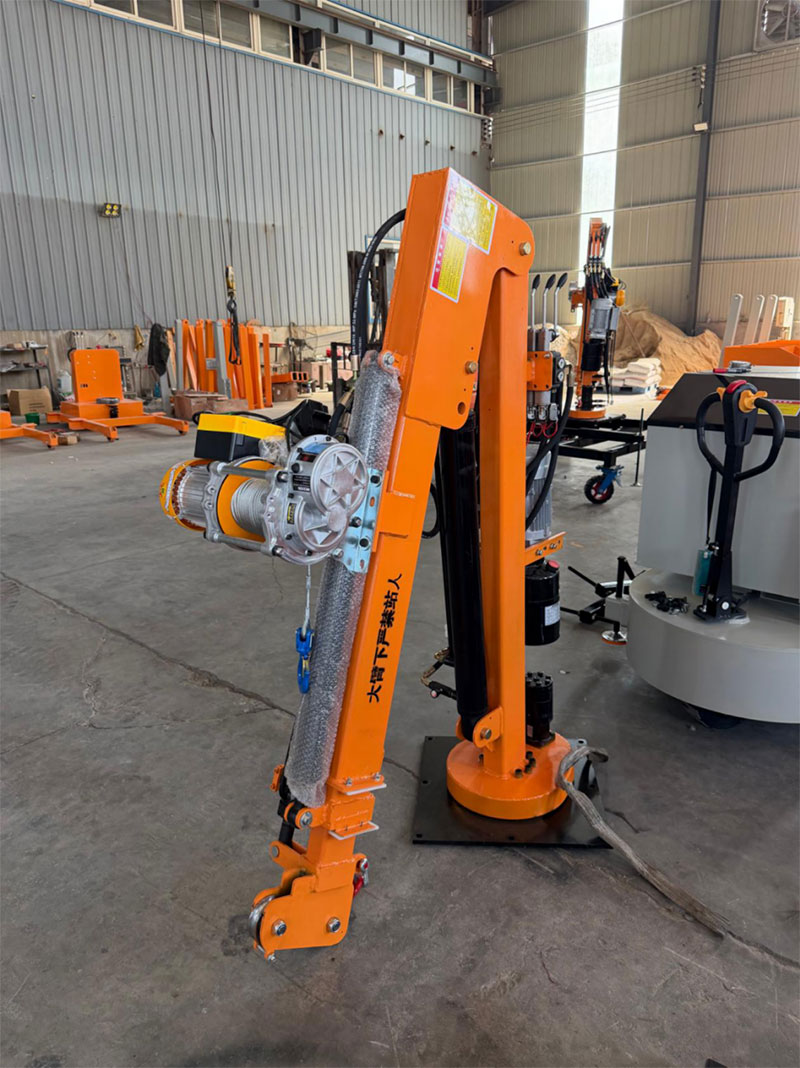
A telescopic boom gives the operator more flexibility to reach the required lifting point without constantly repositioning the entire machine.
This is especially useful for equipment installation and maintenance.
Instead of moving a heavy machine just to create space for lifting equipment, the crane can be configured to reach toward the component.
That saves time and makes the lifting process more practical.
A longer boom does not mean the same load can always be lifted at every boom position.
As the load moves farther away from the crane body, the overturning moment increases.
In simple language:
The farther the load is from the crane, the more demanding the lifting condition becomes.
This is why the rated capacity, boom position and actual working radius must be considered together.
When selecting a model, customers should provide not only the load weight, but also the required reach and lifting height.
Choosing the correct crane is about more than tonnage.
But once the crane itself becomes heavier — especially when carrying a load — manually pushing and positioning it can require considerable effort.
Electric travel changes that.
The powered drive system assists the movement of the crane, reducing the physical effort required to move the equipment around a warehouse or workshop.
This is particularly useful when:
lifting operations are frequent,
loads need to move between different workstations,
one operator needs better control,
the crane travels longer distances,
or heavy components are regularly handled.
The goal is simple:
let the motor do more of the moving, and let the operator focus more on the lifting job.
Control is more important.
When lifting a motor, mold or machine component into an installation position, the operator may need to make small height adjustments.
A component that is only a few centimeters too high or too low may not align correctly.
The hydraulic lifting system provides controlled lifting for these positioning operations.
Instead of treating lifting as simply “up or down,” a good hydraulic crane helps the operator approach the required working height progressively.
This is particularly valuable during:
machine assembly,
equipment maintenance,
motor replacement,
mold handling,
component installation,
and workshop repair.
Real factories rarely work like that.
Today, maintenance may be required beside one production line.
Tomorrow, a motor may need replacement on another machine.
Next week, a heavy component may need to be moved in the warehouse.
A mobile crane can travel between these working areas instead of requiring every load to be transported to a fixed crane.
This gives maintenance teams much greater flexibility.
The lifting equipment goes to the job, rather than forcing the job to come to the lifting equipment.
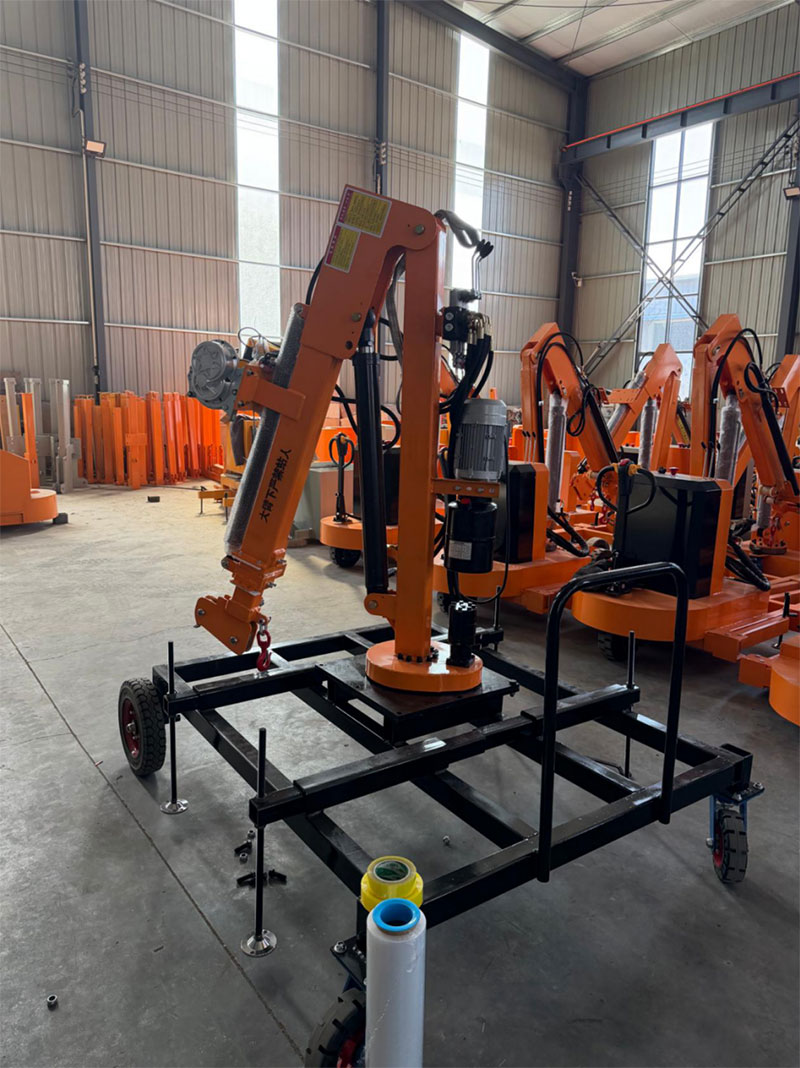
Machines, racks, workbenches, pallets and production lines can leave very limited room for lifting equipment.
Compared with larger lifting machinery, a compact mobile crane can be easier to position in restricted industrial environments.
This makes it especially useful for:
machine shops,
maintenance workshops,
warehouses,
production lines,
equipment assembly areas,
automotive workshops,
and industrial repair facilities.
A compact machine does not replace every large crane or forklift.
It solves the jobs where using large equipment would be inconvenient, inefficient or unnecessary.
That means storage matters too.
A folding or compact structural design can help reduce the space occupied when the crane is not working, depending on the selected configuration.
This is particularly useful in workshops where floor space is valuable.
Equipment that performs well during operation but blocks an aisle for the rest of the week quickly becomes frustrating.
Practical engineering should consider both:
How does the machine work?
and
Where does it go after the job is finished?
It is the combination.
Electric travel + hydraulic lifting + automatic telescopic boom + mobile structure
allows several parts of the handling process to be completed with one machine.
That can help reduce repeated manual pushing, pulling, lifting and repositioning.
For businesses with frequent maintenance and assembly work, this can mean:
less physical effort,
fewer unnecessary handling steps,
faster movement between jobs,
easier positioning,
better use of labor,
and more consistent working efficiency.
It is not about replacing people.
It is about avoiding the jobs where people are being used simply as extra pushing power.
The telescopic boom helps reach toward the lifting point, while the mobile chassis allows the crane to be repositioned around the machine.
A mobile hydraulic crane can assist with lifting, transferring and positioning molds during production changes or maintenance.
Controlled lifting and flexible boom positioning can make these operations easier.
A mobile crane can provide temporary lifting support without requiring a permanent overhead lifting system at every workstation.
Mobile lifting equipment can follow the maintenance team from one machine to another.
“How many tons can it lift?”
That is important, but it is not enough.
Before selecting a mobile hydraulic electric crane, we recommend checking at least these working conditions:
Maximum load weight
What is the heaviest component you actually need to lift?
Required lifting height
How high must the hook or load reach?
Required boom reach
How far does the lifting point sit from the crane body?
Load dimensions
A 1-ton compact motor and a 1-ton long component may require very different handling conditions.
Working aisle width
Can the machine move and turn inside your actual workshop?
Floor condition
Industrial lifting equipment needs a suitable, stable working surface.
Working frequency
Occasional maintenance and continuous production handling may require different configurations.
Application
Are you lifting motors, molds, machinery parts or other components?
The more accurately these conditions are understood, the easier it is to choose the right configuration.
Different workshops have different aisle widths.
And different customers lift completely different products.
That is why MKBK Hoist supports customization according to customer requirements.
Depending on the model and project, customization can be discussed for items such as:
lifting capacity,
lifting height,
boom length,
telescopic range,
overall machine dimensions,
chassis structure,
electric travel configuration,
battery configuration,
wheel configuration,
control method,
product color,
customer logo,
labels,
and packaging.
OEM requirements can also be discussed for distributors developing their own market.
However, customization should always begin with the application.
We prefer customers to tell us:
“This is what I need to lift.”
rather than simply:
“Make this dimension longer.”
Our engineers can then look at the complete working condition and discuss a more suitable solution.
Heavy loads always need big machines.
Not necessarily.
Sometimes the load is not extremely heavy — it is simply difficult to reach, difficult to move or difficult to position.
In those situations, flexibility can matter just as much as lifting capacity.
A Mobile Hydraulic Electric Crane with Automatic Telescopic Boom combines lifting, reaching, moving and positioning functions in one compact solution.
For machinery maintenance, mold handling, motor installation, warehouse operations and production-line work, it can help reduce unnecessary manual effort and make everyday lifting jobs more efficient.
At MKBK Hoist, we can supply standard models as well as customized solutions according to different applications.
Tell us:
What are you lifting? How heavy is it? How high and how far do you need to reach?
From there, we can help you work out the suitable configuration.
The smartest machine is not the one that does the most — it’s the one that removes the most unnecessary work.
MKBK Hoist — Practical lifting solutions built around the way you work.
In many workshops and warehouses, lifting a heavy component is only half of the job.
The real challenge is often everything around it:
How do you move the crane to the load?
How do you reach over a machine or workbench?
How do you position the suspended component accurately?
And how many workers are needed to complete the whole process?
This is exactly where a Mobile Hydraulic Electric Crane with Automatic Telescopic Boom becomes useful.
Combining an automatic telescopic boom, hydraulic lifting system, electric travel and mobile crane structure, this compact lifting machine is designed to make everyday lifting, moving and positioning jobs faster and easier.
For customers with different working environments, MKBK Hoist can also provide customized configurations according to actual lifting requirements.
More Than Just a Small Mobile Crane
At first glance, this machine looks like a compact workshop crane.But its real advantage comes from combining several functions in one unit.
Traditional workshop lifting may involve a manual crane for lifting, workers for pushing and pulling, and additional equipment for final positioning.
With an electric mobile crane, several of these operations can be integrated into one machine.
The operator can move the crane toward the working area, adjust its position, extend the boom according to the job, lift the component and move it toward the required installation or maintenance position.
This can reduce unnecessary manual handling and make repetitive lifting work much more efficient.
For workshops handling motors, molds, machinery components and maintenance parts every day, that difference adds up quickly.
1. Automatic Telescopic Boom: Reach the Load More Easily
One of the most practical features is the automatic telescopic boom.In real working conditions, the load is not always conveniently positioned directly beside the crane.
It may be:
inside a machine,
behind equipment,
over a workbench,
between production equipment,
or in a position that is difficult for the crane body to approach.
A telescopic boom gives the operator more flexibility to reach the required lifting point without constantly repositioning the entire machine.
This is especially useful for equipment installation and maintenance.
Instead of moving a heavy machine just to create space for lifting equipment, the crane can be configured to reach toward the component.
That saves time and makes the lifting process more practical.
Engineer's Note: Longer Reach Changes the Lifting Condition
There is an important engineering point here.A longer boom does not mean the same load can always be lifted at every boom position.
As the load moves farther away from the crane body, the overturning moment increases.
In simple language:
The farther the load is from the crane, the more demanding the lifting condition becomes.
This is why the rated capacity, boom position and actual working radius must be considered together.
When selecting a model, customers should provide not only the load weight, but also the required reach and lifting height.
Choosing the correct crane is about more than tonnage.
2. Electric Travel: Move Heavy Loads Without Heavy Pushing
A traditional manual shop crane can work well on a smooth workshop floor.But once the crane itself becomes heavier — especially when carrying a load — manually pushing and positioning it can require considerable effort.
Electric travel changes that.
The powered drive system assists the movement of the crane, reducing the physical effort required to move the equipment around a warehouse or workshop.
This is particularly useful when:
lifting operations are frequent,
loads need to move between different workstations,
one operator needs better control,
the crane travels longer distances,
or heavy components are regularly handled.
The goal is simple:
let the motor do more of the moving, and let the operator focus more on the lifting job.
3. Hydraulic Lifting: Smooth and Controlled
Speed is useful.Control is more important.
When lifting a motor, mold or machine component into an installation position, the operator may need to make small height adjustments.
A component that is only a few centimeters too high or too low may not align correctly.
The hydraulic lifting system provides controlled lifting for these positioning operations.
Instead of treating lifting as simply “up or down,” a good hydraulic crane helps the operator approach the required working height progressively.
This is particularly valuable during:
machine assembly,
equipment maintenance,
motor replacement,
mold handling,
component installation,
and workshop repair.
4. Mobile Design: Bring the Crane to the Job
Permanent lifting equipment is useful when the lifting point never changes.Real factories rarely work like that.
Today, maintenance may be required beside one production line.
Tomorrow, a motor may need replacement on another machine.
Next week, a heavy component may need to be moved in the warehouse.
A mobile crane can travel between these working areas instead of requiring every load to be transported to a fixed crane.
This gives maintenance teams much greater flexibility.
The lifting equipment goes to the job, rather than forcing the job to come to the lifting equipment.
5. Compact Structure for Restricted Working Areas
Not every factory has wide-open floor space.Machines, racks, workbenches, pallets and production lines can leave very limited room for lifting equipment.
Compared with larger lifting machinery, a compact mobile crane can be easier to position in restricted industrial environments.
This makes it especially useful for:
machine shops,
maintenance workshops,
warehouses,
production lines,
equipment assembly areas,
automotive workshops,
and industrial repair facilities.
A compact machine does not replace every large crane or forklift.
It solves the jobs where using large equipment would be inconvenient, inefficient or unnecessary.
6. Folding or Space-Saving Design Makes Storage Easier
For many customers, lifting equipment is not used eight hours every day.That means storage matters too.
A folding or compact structural design can help reduce the space occupied when the crane is not working, depending on the selected configuration.
This is particularly useful in workshops where floor space is valuable.
Equipment that performs well during operation but blocks an aisle for the rest of the week quickly becomes frustrating.
Practical engineering should consider both:
How does the machine work?
and
Where does it go after the job is finished?
7. Less Manual Handling, Better Working Efficiency
The biggest advantage of this machine is not one single feature.It is the combination.
Electric travel + hydraulic lifting + automatic telescopic boom + mobile structure
allows several parts of the handling process to be completed with one machine.
That can help reduce repeated manual pushing, pulling, lifting and repositioning.
For businesses with frequent maintenance and assembly work, this can mean:
less physical effort,
fewer unnecessary handling steps,
faster movement between jobs,
easier positioning,
better use of labor,
and more consistent working efficiency.
It is not about replacing people.
It is about avoiding the jobs where people are being used simply as extra pushing power.
Where Can a Mobile Hydraulic Electric Crane Be Used?
The application range is broad because many industries need to lift heavy components without installing a permanent crane system.Machinery Maintenance
Motors, pumps, gearboxes and other components often need to be removed for repair and then installed again.The telescopic boom helps reach toward the lifting point, while the mobile chassis allows the crane to be repositioned around the machine.
Mold Handling
Molds can be heavy, compact and difficult to position manually.A mobile hydraulic crane can assist with lifting, transferring and positioning molds during production changes or maintenance.
Motor and Engine Handling
Automotive repair, machinery maintenance and industrial workshops frequently need to remove or install motors and engines.Controlled lifting and flexible boom positioning can make these operations easier.
Production Line Installation
During machinery assembly or production line installation, components often need to be lifted into a precise position.A mobile crane can provide temporary lifting support without requiring a permanent overhead lifting system at every workstation.
Warehouse Handling
For occasional heavy components that cannot be conveniently handled by a standard pallet truck, a mobile crane provides another handling option.Equipment Repair
Maintenance teams often work in unpredictable locations.Mobile lifting equipment can follow the maintenance team from one machine to another.
Engineer's View: What Should You Check Before Choosing One?
Customers sometimes start with one question:“How many tons can it lift?”
That is important, but it is not enough.
Before selecting a mobile hydraulic electric crane, we recommend checking at least these working conditions:
Maximum load weight
What is the heaviest component you actually need to lift?
Required lifting height
How high must the hook or load reach?
Required boom reach
How far does the lifting point sit from the crane body?
Load dimensions
A 1-ton compact motor and a 1-ton long component may require very different handling conditions.
Working aisle width
Can the machine move and turn inside your actual workshop?
Floor condition
Industrial lifting equipment needs a suitable, stable working surface.
Working frequency
Occasional maintenance and continuous production handling may require different configurations.
Application
Are you lifting motors, molds, machinery parts or other components?
The more accurately these conditions are understood, the easier it is to choose the right configuration.
Customization: Build Around the Job
Different factories have different machines.Different workshops have different aisle widths.
And different customers lift completely different products.
That is why MKBK Hoist supports customization according to customer requirements.
Depending on the model and project, customization can be discussed for items such as:
lifting capacity,
lifting height,
boom length,
telescopic range,
overall machine dimensions,
chassis structure,
electric travel configuration,
battery configuration,
wheel configuration,
control method,
product color,
customer logo,
labels,
and packaging.
OEM requirements can also be discussed for distributors developing their own market.
However, customization should always begin with the application.
We prefer customers to tell us:
“This is what I need to lift.”
rather than simply:
“Make this dimension longer.”
Our engineers can then look at the complete working condition and discuss a more suitable solution.
A Small Crane Can Solve a Big Handling Problem
There is a common misunderstanding in material handling:Heavy loads always need big machines.
Not necessarily.
Sometimes the load is not extremely heavy — it is simply difficult to reach, difficult to move or difficult to position.
In those situations, flexibility can matter just as much as lifting capacity.
A Mobile Hydraulic Electric Crane with Automatic Telescopic Boom combines lifting, reaching, moving and positioning functions in one compact solution.
For machinery maintenance, mold handling, motor installation, warehouse operations and production-line work, it can help reduce unnecessary manual effort and make everyday lifting jobs more efficient.
At MKBK Hoist, we can supply standard models as well as customized solutions according to different applications.
Tell us:
What are you lifting? How heavy is it? How high and how far do you need to reach?
From there, we can help you work out the suitable configuration.
The smartest machine is not the one that does the most — it’s the one that removes the most unnecessary work.
MKBK Hoist — Practical lifting solutions built around the way you work.
- Previous Article:
- Next Article: Manual Balanced Fork Crane 1–5 Ton: A Practical Lifting Solution for Tight Spaces

 Factory Address: Dongl ü industrial Area,Qingyuan District, Baoding City, Hebei Province, China
 Contact number:
 Emall:
  Website:





 Home
Home Whatsapp
 Email
Email