
 English
 русский
 Español
 Indonesia
 Tiếng Việt
 Current Location:
-
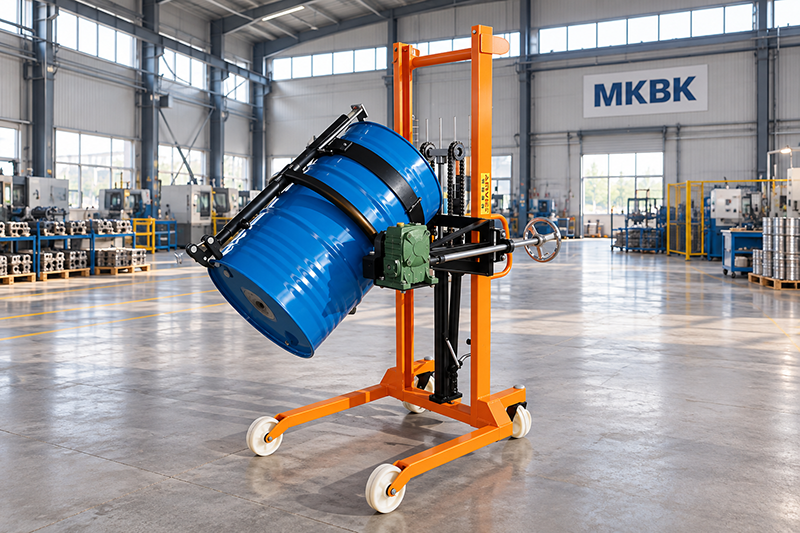
Drum Handling Tools: Making Oil Drum Lifting, Moving and Positioning Easier | MKBK Hoist
-
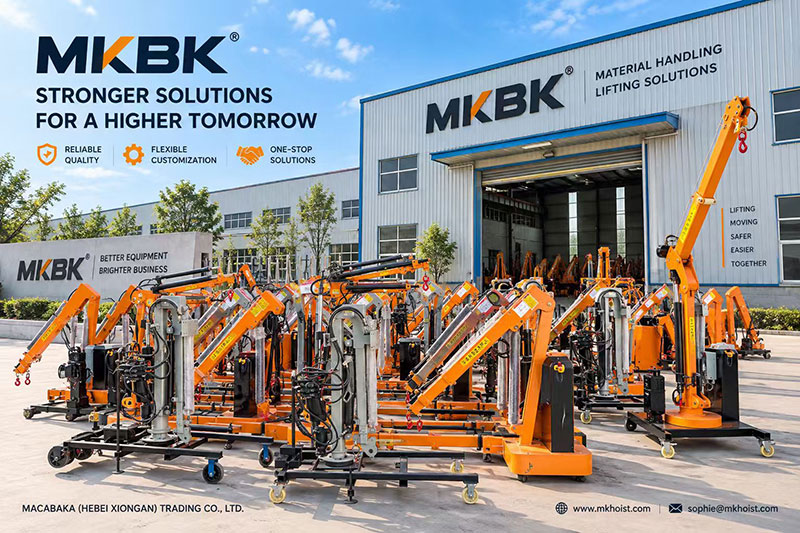
Mobile Hydraulic Electric Crane with Automatic Telescopic Boom: Move, Lift and Position Heavy Loads with Less Effort
-
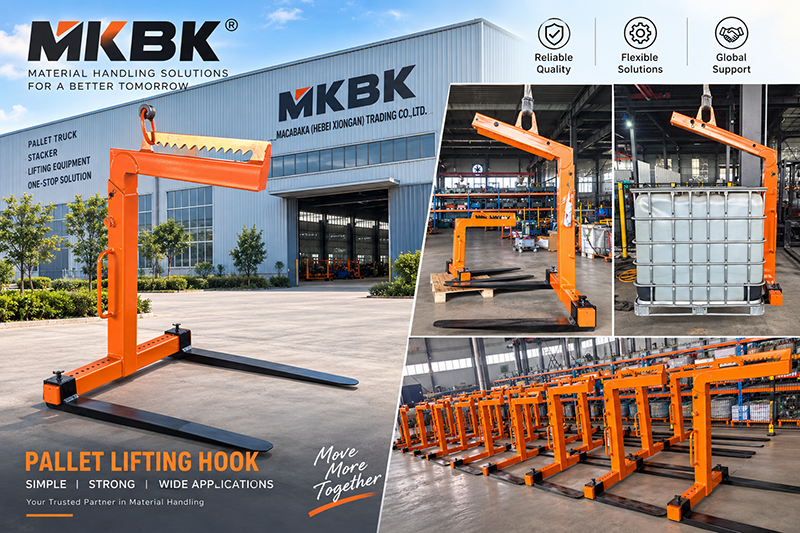
Manual Balanced Fork Crane 1–5 Ton: A Practical Lifting Solution for Tight Spaces
-
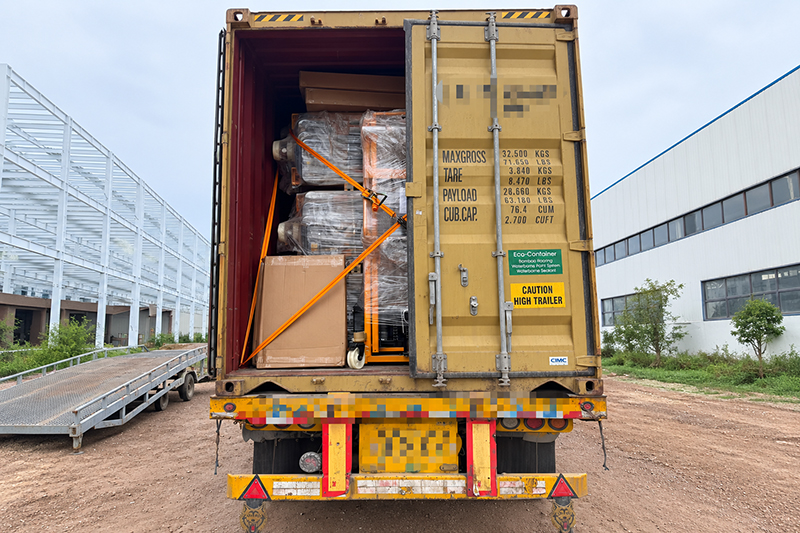
Mixed Loading Material Handling Equipment in One 40HQ Container: A Smarter Way to Reduce Shipping Costs

Online consulting
If you have any questions, please contact our online customer service staff immediately
Drum Handling Tools: Making Oil Drum Lifting, Moving and Positioning Easier | MKBK Hoist
 Click:2
  Time:2026-09-22 16:35:17
Moving a heavy drum should be a handling job, not a strength test.
Oil drums are everywhere in industrial environments. Lubricants, chemicals, paint, cleaning liquids, food ingredients and many other materials are commonly stored and transported in steel or plastic drums.
The problem begins when those drums need to move.
A filled drum is heavy, round and difficult to control. Unlike a pallet or box, it cannot simply be picked up from a flat surface and carried away. Rolling it manually may work for a short distance, but once the job involves lifting, stacking, loading, unloading or pouring, proper drum handling equipment becomes much more important.
This is why MKBK Hoist supplies different drum handling tools for warehouses, factories, workshops and industrial production environments.
The purpose is simple: reduce unnecessary manual work and make drum handling faster, easier and more controlled.
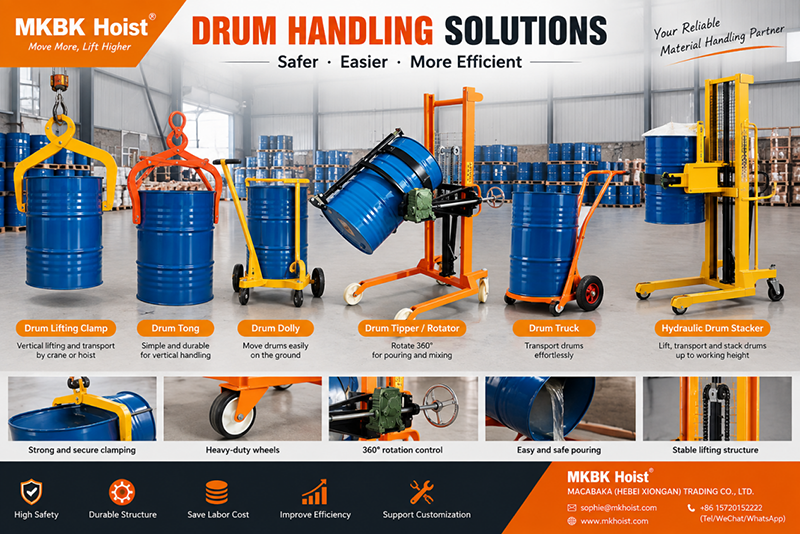
Why Is Drum Handling More Difficult Than It Looks?
From an engineering point of view, the problem is not only weight.
It is the combination of weight, shape and center of gravity.
A pallet has a relatively stable base. A box normally has flat surfaces. A drum is cylindrical, which means it can roll or rotate when the operator does not control it correctly.
This becomes even more noticeable when a drum is full.
When moving a heavy steel or plastic drum, the operator needs to control not only where the load goes, but also how it behaves during movement.
That is why professional drum handling tools are designed differently from ordinary pallet trucks or platform trolleys.
The equipment needs to grip the drum securely, maintain stability and allow the operator to move or position it without repeatedly pushing, pulling and tilting the drum by hand.
Different Jobs Need Different Drum Handling Tools
There is no single drum handling tool that is perfect for every application.
If the customer only needs to move drums around a warehouse, a simple drum trolley may be enough.
If drums need to be lifted from the floor and placed onto pallets, a hydraulic drum lifter can be more practical.
If the drum needs to be stacked or positioned at a higher working level, a drum stacker may be the better choice.
For production lines where liquid needs to be discharged directly from the drum, a drum rotator allows the operator to lift and rotate the container in a more controlled way.
There are also drum grabs and lifting attachments designed for applications where drums need to be picked up quickly during loading and unloading.
The important point is not to buy the most complicated equipment.
It is to choose the simplest equipment that can complete the actual job efficiently.
Engineer's View: Start with the Drum, Not the Machine
When customers ask us for a drum handler quotation, one of the first things our engineers want to know is what kind of drum they are using.
A steel drum and a plastic drum may look similar in size, but they behave differently during gripping and lifting.
Steel drums generally have a more rigid structure. Plastic drums can deform more easily if the contact or gripping method is unsuitable.
The drum dimensions, rim structure, total loaded weight and material all influence equipment selection.
This is why we prefer to understand the customer's drum first and recommend the machine second.
It avoids a common purchasing mistake: choosing equipment only according to maximum lifting capacity.
A machine may have enough capacity on paper but still be unsuitable for the actual drum.
Save Time by Reducing Unnecessary Handling
A lot of time in material handling is not lost during transportation.
It is lost before and after transportation.
Imagine a worker needs to move a filled drum from a warehouse to a production area.
Without the right equipment, the drum may need to be tilted, rolled, repositioned, lifted onto another trolley and adjusted again when it reaches the destination.
Every extra movement costs time.
More importantly, every unnecessary manual movement creates another opportunity for the drum to slip, roll or become difficult to control.
A suitable drum handling tool can combine several of these steps.
The operator grips the drum, moves it and positions it using one piece of equipment.
That is where the real efficiency improvement comes from.
Less handling. Fewer unnecessary steps. More controlled movement.
Hydraulic Lifting Makes Heavy Drums Easier to Position
Hydraulic drum handling equipment is particularly useful when the drum needs to move vertically.
For example, a customer may need to lift a drum from floor level onto a pallet, raise it to a production machine, position it beside a mixing system or place it at a suitable height for dispensing.
Trying to achieve this through manual lifting is obviously impractical once the drum becomes heavy.
A hydraulic lifting mechanism allows the operator to raise the drum gradually and position it at the required working height.
The advantage is not simply that the machine can lift more weight.
The bigger advantage is control.
During equipment installation or production feeding, a difference of only a few centimeters can matter. Controlled hydraulic movement makes fine positioning much easier than relying on manual force.
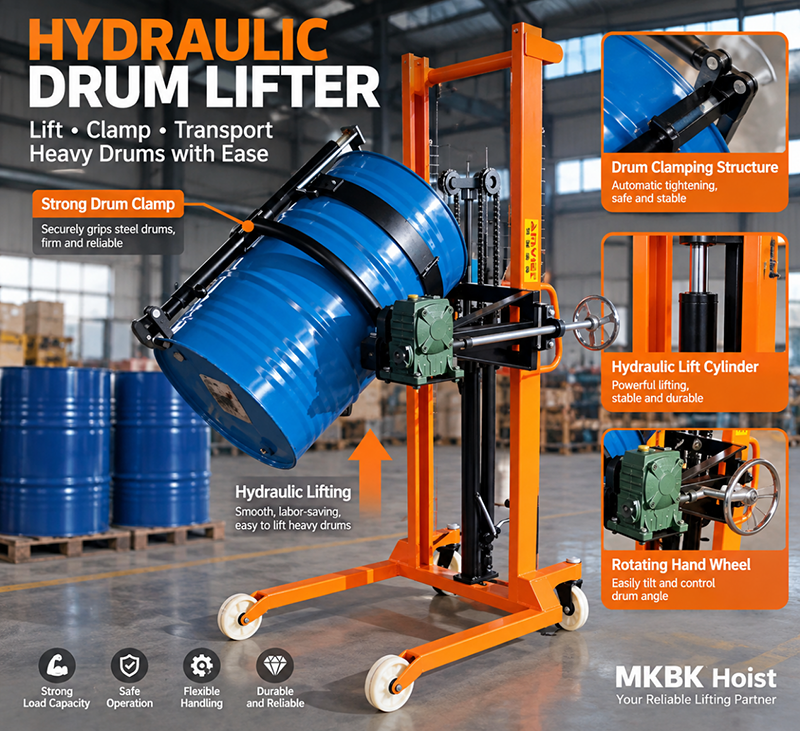
Moving Is Only Half the Job
Some applications require more than transportation.
The drum may also need to be rotated.
This is common in industries using lubricants, paint, chemicals, food ingredients and other liquids.
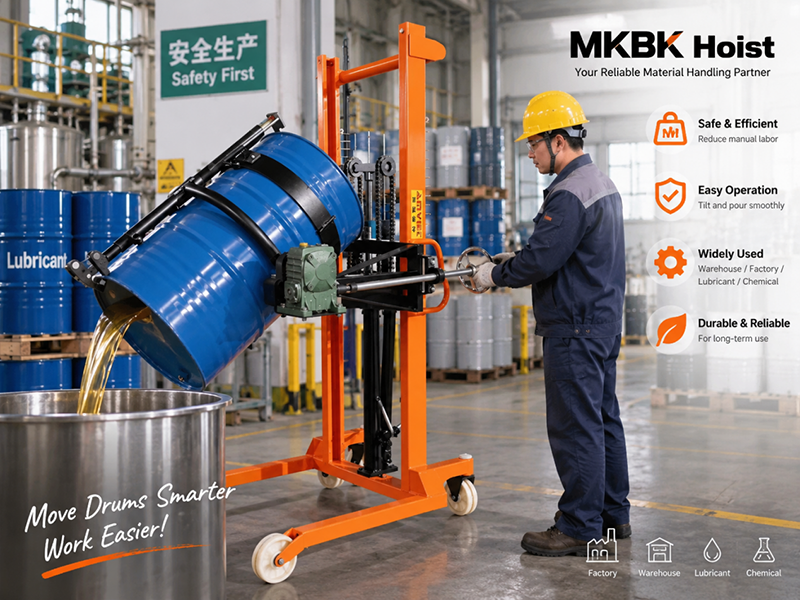
A filled drum is difficult to rotate manually because its weight changes position continuously as it turns. Once liquid begins flowing, controlling the angle becomes even more important.
A drum rotator is designed specifically for this job.
The drum can be secured first, lifted to the required height and then rotated in a controlled manner for dispensing.
For a factory that performs this operation occasionally, the difference may seem small.
For a production line that repeats the operation every day, the accumulated saving in labor and operating time can become significant.
A Mobile Tool Should Follow the Workflow
One reason drum handling equipment is so useful is mobility.
In a real factory, drums rarely stay in one place.
A drum may arrive in the receiving area, move into storage, then go to production, mixing, filling or maintenance.
If every drum has to be brought to one fixed lifting point, the internal logistics process becomes unnecessarily complicated.
Mobile drum handling equipment changes that relationship.
Instead of bringing every load to the machine, the machine can go to the load.
For warehouses and workshops with changing workstations, this flexibility can make everyday operations much smoother.
Typical Applications of Drum Handling Equipment
In chemical plants, drum handling tools can be used to move raw materials between storage and production areas.
In lubricant and oil facilities, they can assist with transporting heavy oil drums and positioning them for dispensing.
Paint and coating manufacturers can use drum rotators when materials need controlled pouring or transfer.
Factories and machinery workshops may use drum trolleys to move lubricants, coolants or industrial liquids between different work areas.
Food processing facilities may also use suitable drum handling equipment for ingredients stored in drums, depending on the material and hygiene requirements of the application.
The industries may be different, but the handling problem is similar: a heavy cylindrical container needs to move without wasting unnecessary labor.
Stability Matters More Than Simply Adding Capacity
When customers compare drum handling equipment, capacity is usually the first specification they notice.
But increasing capacity does not automatically make a machine better.
A good drum handler also needs the right frame geometry, suitable wheel arrangement, reliable gripping mechanism and controlled hydraulic movement.
The center of gravity changes when a drum is raised. It can also change when the drum is rotated.
That means stability needs to be considered throughout the complete operation, not only when the drum is sitting on the floor.
The frame, wheels, gripping point and hydraulic system therefore need to work as one system.
This is a basic engineering principle we follow at MKBK Hoist:
Strength carries the load. Stability controls the load.
Both matter.
Wheels Are More Important Than Many Buyers Expect
Wheels are often treated as a small specification, but they directly affect how the equipment feels during daily use.
A drum handler working on a smooth warehouse floor has different requirements from one working on rough industrial flooring.
Wheel diameter, wheel material, steering resistance and equipment weight all affect maneuverability.
If the equipment is frequently moved through narrow aisles, turning performance becomes especially important.
This is why we recommend telling the supplier about the actual working environment rather than choosing a wheel configuration only from a catalogue.
The machine needs to work on your floor, not on the catalogue page.
How to Select the Right Drum Handling Equipment
The easiest way to choose a suitable model is to start with the actual working process.
First consider what type of drum is being handled and its dimensions. Then confirm the maximum loaded weight and decide whether the drum only needs transportation or also requires lifting, stacking or rotation.
After that, consider the required lifting height, working aisle width, floor condition and daily operating frequency.
A customer moving five drums per week may need a very different solution from a production facility handling dozens of drums every shift.
There is no benefit in over-specifying the machine.
There is also no benefit in selecting a machine that is too basic and then discovering that every operation still requires additional manual work.
The right equipment should remove steps from the workflow.
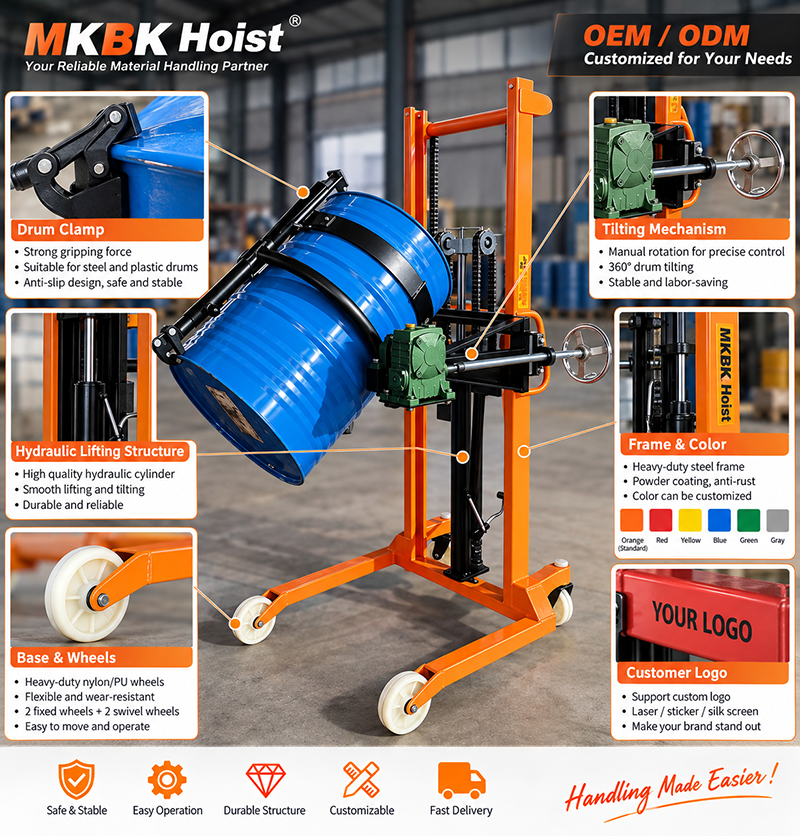
Custom Drum Handling Solutions from MKBK Hoist
Standard equipment covers many common applications, but not every factory works in the same way.
Some customers have special drum dimensions. Others need different lifting heights or working widths. Distributors may require their own color, logo, labels and packaging.
For these projects, MKBK Hoist can discuss customized configurations based on the actual application.
Customization can involve the lifting structure, gripping mechanism, frame dimensions, wheel configuration, lifting height, product color, logo, labels and packaging.
However, we do not believe customization should mean changing specifications just for the sake of making a machine different.
A useful custom design should solve a real problem.
Maybe the customer's aisle is narrow.
Maybe the drum is different from the standard size.
Maybe the production line requires a specific discharge height.
Maybe the customer needs the equipment to work with an existing machine.
Those are good reasons to customize.
What Information Helps Us Recommend the Right Model?
You don't need to prepare a complicated technical document before contacting MKBK Hoist.
A clear description of the application is much more useful.
Tell us what type of drum you are handling, its approximate dimensions and loaded weight. Explain whether you need to move, lift, stack or rotate it. If lifting is required, tell us the working height. If your warehouse has limited space, the aisle width is also useful.
A photo or short video of the drum and working environment can make communication even faster.
From there, our engineers can check the application and discuss a suitable configuration with you.
This approach is much more reliable than simply sending a long catalogue and asking the customer to guess which model they need.
Good Equipment Should Make the Job Feel Easier
Industrial equipment does not need to be complicated to create value.
Sometimes the biggest improvement comes from removing one difficult manual operation from a worker's daily routine.
A drum that once needed several movements can be handled in one process.
A heavy container that was difficult to position can be lifted hydraulically.
A drum that required manual tilting can be rotated in a controlled way.
Those small improvements add up.
For warehouses, factories, workshops and distributors looking for practical oil drum handling equipment, MKBK Hoist provides standard models as well as customized solutions for different applications.
Tell us what drum you are handling and what you need to do with it.
We'll help you find a simpler way to move it.
Good material handling isn't about making people work harder. It's about giving them fewer hard jobs to do.
MKBK Hoist — Practical lifting and material handling solutions built around real work.
- Previous Article:
- Next Article: Mobile Hydraulic Electric Crane with Automatic Telescopic Boom: Move, Lift and Position Heavy Loads with Less Effort

 Factory Address: Dongl ü industrial Area,Qingyuan District, Baoding City, Hebei Province, China
 Contact number:
 Emall:
  Website:





 Home
Home Whatsapp
 Email
Email