
 English
 русский
 Español
 Indonesia
 Tiếng Việt

 Current Location:
-
Before Shipment: How MKBK Hoist Prepares Pallet Trucks, Stackers and Electric Hoists for Delivery
-
Semi-Electric Stacker with Paper Roll Clamp: Customized Handling Solutions | MKBK Hoist
-
Drum Handling Tools: Making Oil Drum Lifting, Moving and Positioning Easier | MKBK Hoist
-
Mobile Hydraulic Electric Crane with Automatic Telescopic Boom: Move, Lift and Position Heavy Loads with Less Effort

Online consulting
If you have any questions, please contact our online customer service staff immediately
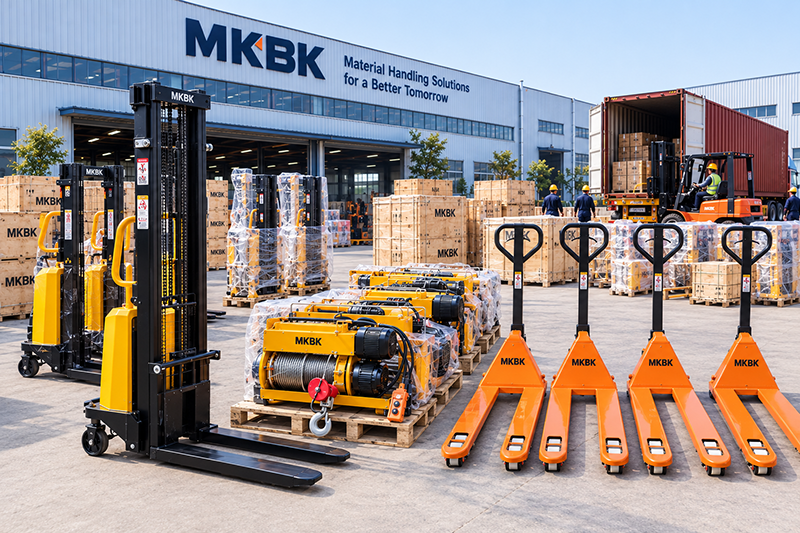
Before Shipment: How MKBK Hoist Prepares Pallet Trucks, Stackers and Electric Hoists for Delivery
 Click:49
 Time:2026-10-26 14:23:58
A reliable machine is not defined by how it looks in a photo. It is defined by how well it performs when the customer puts it to work.
For overseas buyers, receiving a shipment of material handling equipment is more than a delivery milestone. It is the final step in a process that begins with product selection, specification confirmation, production, assembly, and inspection.
A container may hold pallet trucks, stackers, electric hoists, or a combination of different products. Each machine has a different structure and purpose, so preparing an order for shipment requires more than counting units and arranging packages.
At MKBK Hoist, shipment preparation is an important part of factory production management. Before equipment leaves the factory, the confirmed specifications, product condition, operating functions, and packaging requirements need appropriate attention. The goal is straightforward: help customers receive equipment that matches their orders and is ready for the next stage of their business.
More Than a Warehouse Full of Finished Products
When buyers see photos of a large shipment, they usually notice the quantity first. For distributors and importers, however, the more important questions are whether the products match the order, whether the specifications are correct, and whether the equipment has been checked before dispatch.
A large shipment may contain several models with different capacities, dimensions, lifting heights, wheel materials, or power configurations. Even when two machines look similar, their specifications may differ in ways that matter during operation.
For example, a manual pallet truck with a different fork width may not fit the customer's pallets. A stacker with an unsuitable lifting height may not reach the required shelf level. An electric hoist with the wrong voltage or lifting height may require adjustments before it can be used.
These issues are easier to address before shipment than after the equipment arrives overseas.
That is why order preparation should start with the confirmed product specifications, rather than relying on appearance alone.
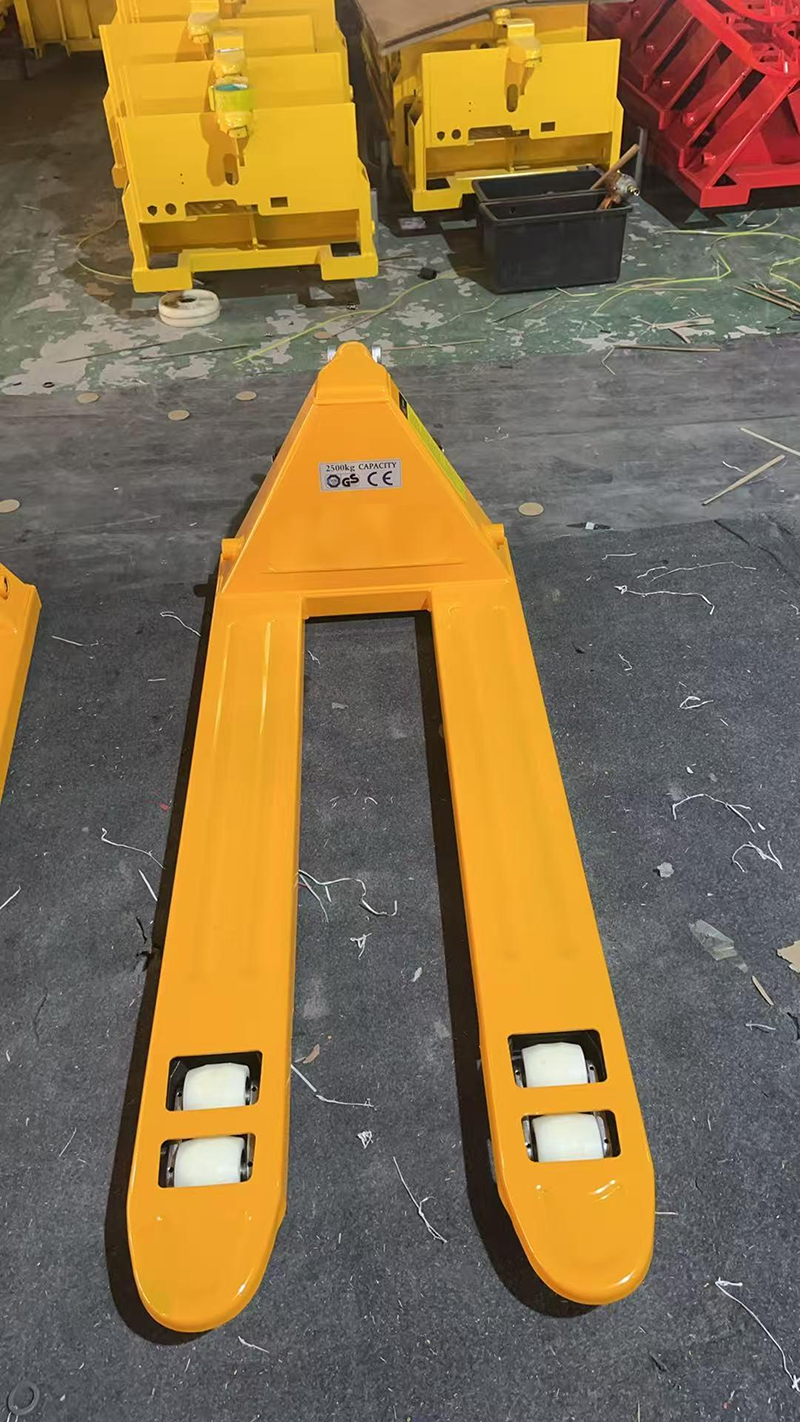
Manual and Electric Pallet Trucks: Small Details Matter
Pallet trucks are widely used in warehouses, factories, distribution centers, and retail logistics. Their job may appear simple: lift a pallet slightly and move it from one place to another. But everyday performance depends on several practical details.
Before shipment, the model and quantity should be checked against the order. Important specifications include rated load capacity, fork dimensions, lowered fork height, lifting range, wheel material, and handle configuration.
Wheel selection deserves particular attention. Nylon wheels, polyurethane wheels, and other wheel materials can behave differently depending on the floor surface, noise requirements, load, and operating environment. A wheel suitable for a smooth industrial floor may not be the customer's preferred choice for a different application.
For electric pallet trucks, the inspection process also needs to consider the relevant electrical and drive systems. Depending on the model, this may include checking the controls, lifting and lowering functions, travel operation, battery installation, charging equipment, and visible wiring condition.
From an engineer's perspective, the important point is to check the equipment against its intended application. A pallet truck should not be judged only by its rated capacity. It also needs to fit the customer's pallet dimensions, floor conditions, and handling routine.
Stackers: Lifting Height Is Only One Part of the Specification
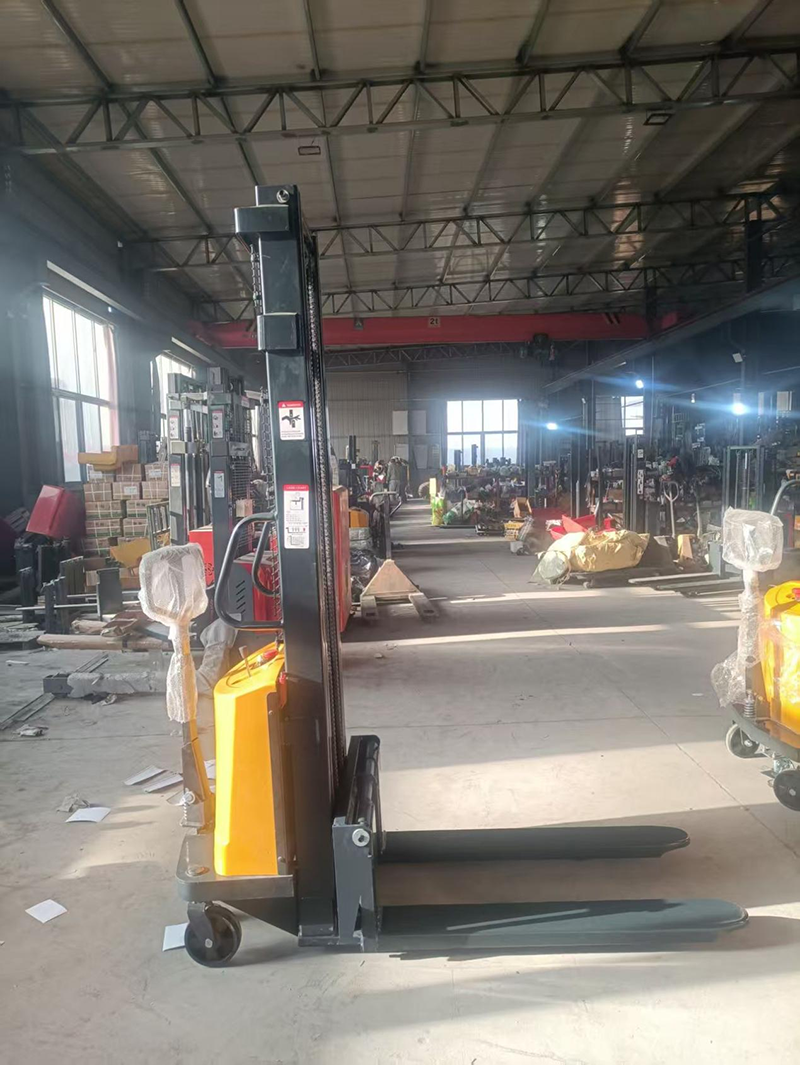
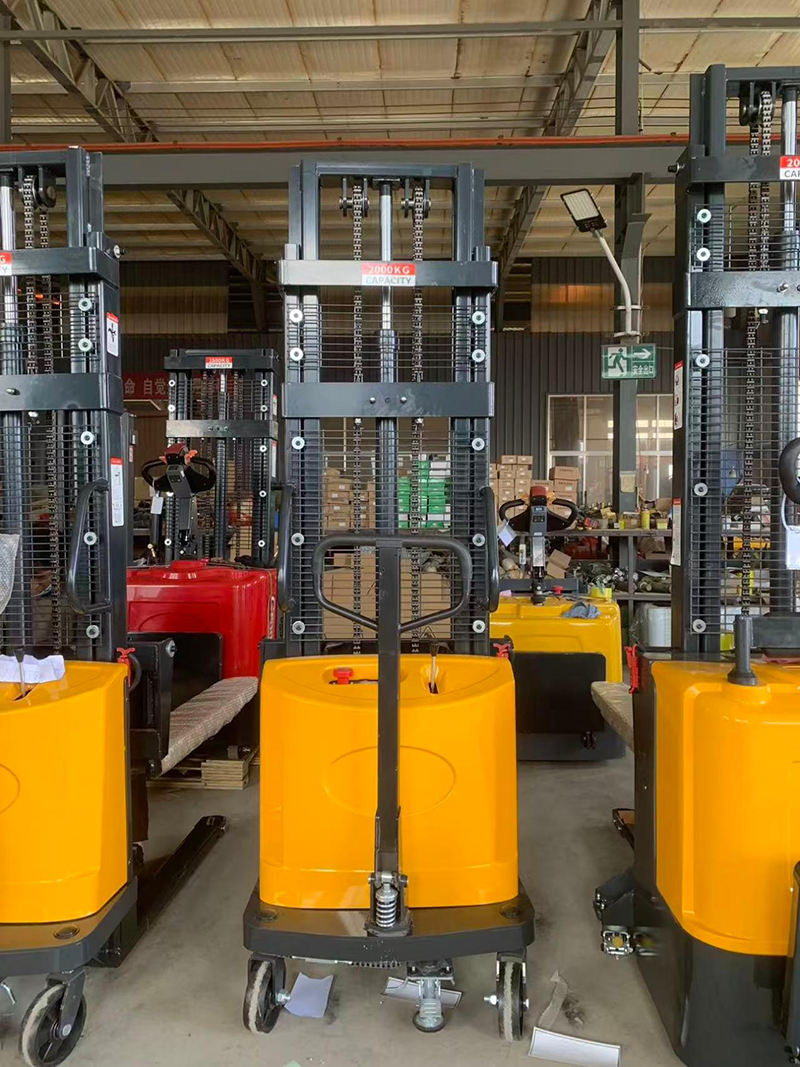
Stackers help operators raise loads to a required height for storage, production, and material transfer. Manual stackers, semi-electric stackers, and fully electric stackers differ in how they travel and lift, so their pre-shipment checks should reflect the actual model.
The first step is to confirm the rated capacity and lifting height. The required fork dimensions, lowered height, mast configuration, and overall machine dimensions should also match the approved order.
For powered models, the relevant electrical and lifting functions need to be checked according to the product design. The mast, lifting chain or other lifting components, hydraulic system where fitted, controls, and safety devices should be examined as applicable.
An engineer will also consider how capacity relates to lifting height and load position. A stacker's rated capacity should not be interpreted as an unlimited capacity at every height or with every attachment. The approved specifications and operating instructions define the limits.
For overseas distributors, this matters because a small specification mismatch can create practical problems for end users. Confirming the model and its key dimensions before dispatch helps reduce the chance of receiving equipment that does not fit the intended workspace.
Electric Hoists: Check the Lifting System Before It Travels
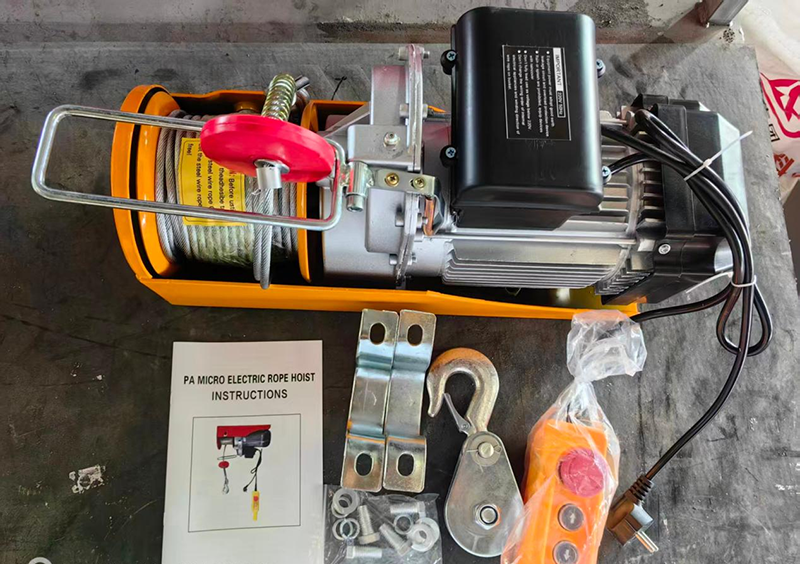
Electric hoists are designed to raise and lower suspended loads, making their lifting components and control functions particularly important.
Depending on the model and configuration, pre-shipment checks may cover the lifting and lowering operation, controls, hook and safety latch, chain or wire rope, limit devices where fitted, motor operation, and visible electrical connections. The inspection procedure should follow the equipment design and applicable requirements.
The rated lifting capacity must also be clearly identified. Customers should confirm the required capacity, lifting height, power supply, control arrangement, and installation method before the order is finalized.
One point deserves special attention: a hoist is only one part of a lifting system. Its supporting structure, trolley where applicable, installation arrangement, and operating environment must also be suitable for the intended load. Correct hoist selection cannot compensate for an inadequate supporting structure.
Before using the equipment, operators should follow the manufacturer's instructions, observe the rated load limit, and ensure that the load is properly secured. People should never stand beneath a suspended load, and safety devices should never be bypassed.
These precautions are not just technical formalities. They are part of responsible lifting practice.
What Happens During Pre-Shipment Preparation?
A well-organized shipment preparation process connects the sales order, factory production, quality checks, and packing team.
First, the confirmed order details are reviewed. Product models, quantities, capacities, dimensions, and any agreed customizations should be clear before the equipment is prepared for dispatch.
Next, the finished equipment is checked according to its type and inspection procedure. Relevant functions and visible components are examined, and any issues identified during the process should be addressed before shipment.
After inspection, the products are prepared for packaging. The packaging method depends on the equipment's weight, dimensions, structure, and transportation requirements. Suitable protection can help reduce the risk of movement, surface damage, or component impact during handling and transit.
Finally, the product quantity and packing arrangements should be checked against the shipping plan. For mixed shipments, clear identification of the different models can make receiving and warehouse organization easier for the buyer.
The exact checks vary by product and order. Pre-shipment commissioning and inspection help verify the equipment before dispatch, but they do not replace installation checks, operator training, or maintenance after delivery.
Why Shipment Preparation Matters to Overseas Buyers
For an importer, distributor, or equipment dealer, the cost of a shipment is not limited to the purchase price and freight. Delays caused by incorrect specifications, damaged components, or missing items can affect warehouse planning and customer commitments.
A distributor may already have an end user waiting for a stacker. A maintenance team may need an electric hoist before a scheduled installation. A pallet truck shipment may be intended to replenish several branches at once.
In these situations, accurate order preparation makes a real difference.
Confirming the product specifications before dispatch helps reduce avoidable misunderstandings. Checking relevant functions can identify issues before the equipment leaves the factory. Appropriate packaging helps protect the products during transport, while clear product identification supports easier receiving and inventory management.
No inspection or packaging method can eliminate every transportation risk. However, a structured process helps identify preventable problems earlier, when they are generally easier to resolve.
Factory-Direct Supply with MKBK Hoist
MKBK Hoist supplies material handling equipment directly from the factory, including pallet trucks, stackers, and electric hoists. For customers sourcing multiple product categories, this creates an opportunity to discuss specifications, order quantities, and shipment arrangements within one purchasing process.
Different products require different technical considerations. A pallet truck needs the right fork dimensions and wheels. A stacker must match the required lifting height and load conditions. An electric hoist needs the correct capacity, lifting height, power supply, and installation configuration.
Our approach is to confirm the customer's requirements before production and prepare the equipment according to the agreed order. Where customization is required, the relevant details should be clarified in advance so the finished product can be checked against the confirmed configuration.
For international orders, communication is just as important as the physical shipment. Clear specifications and packing arrangements help both sides understand what is being supplied and what to expect when the goods arrive.
Planning Your Next Order?
Whether you need manual pallet trucks, electric pallet trucks, stackers, electric hoists, or a combination of material handling products, the best starting point is a clear list of your requirements.
Share the models or applications you need, the quantities, rated capacities, lifting heights, and any special configuration requirements. If the products are intended for a particular project or end user, those details can help the factory review the order more accurately.
MKBK Hoist focuses on practical material handling solutions, factory-direct supply, and preparation before dispatch. Our aim is to help customers move from product selection to shipment with fewer avoidable surprises.
A successful shipment is not just a container leaving the factory. It is an order prepared with care, checked against the requirements, and ready for the next step in the customer's business.
MKBK Hoist — Reliable material handling solutions, prepared with care before shipment.
- Previous Article:
- Next Article: Semi-Electric Stacker with Paper Roll Clamp: Customized Handling Solutions | MKBK Hoist

 Factory Address: Dongl ü industrial Area,Qingyuan District, Baoding City, Hebei Province, China
 Contact number:
 Emall:
 Website:





 Home
 Whatsapp
 Email