
 English
 русский
 Español
 Indonesia
 Tiếng Việt
 Current Location: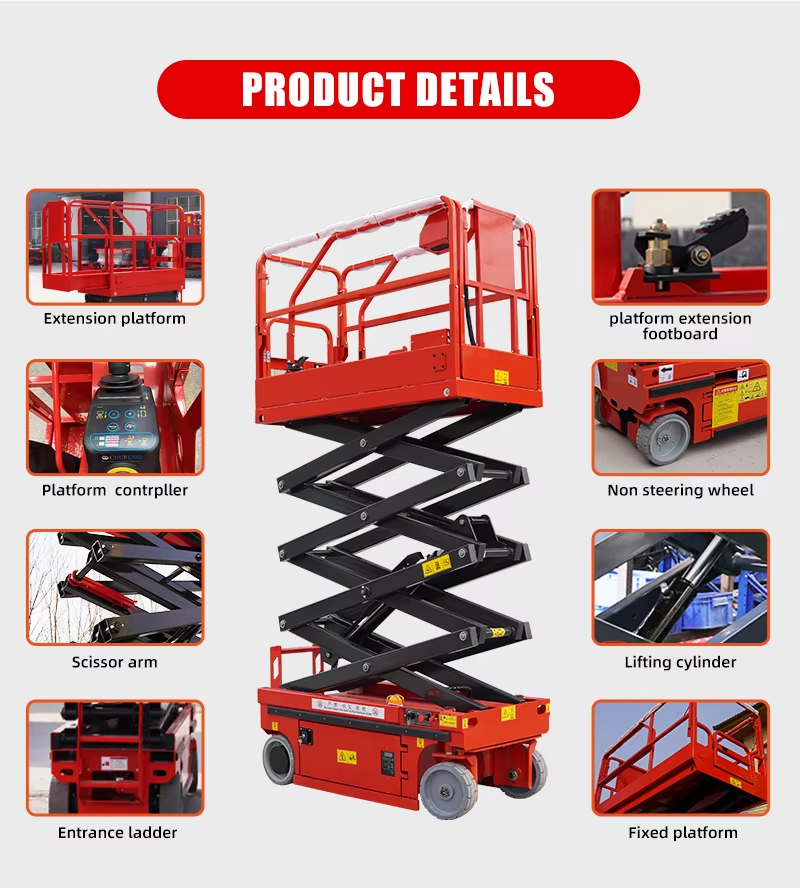

 Click:4
 Time:2026-10-09 15:13:27
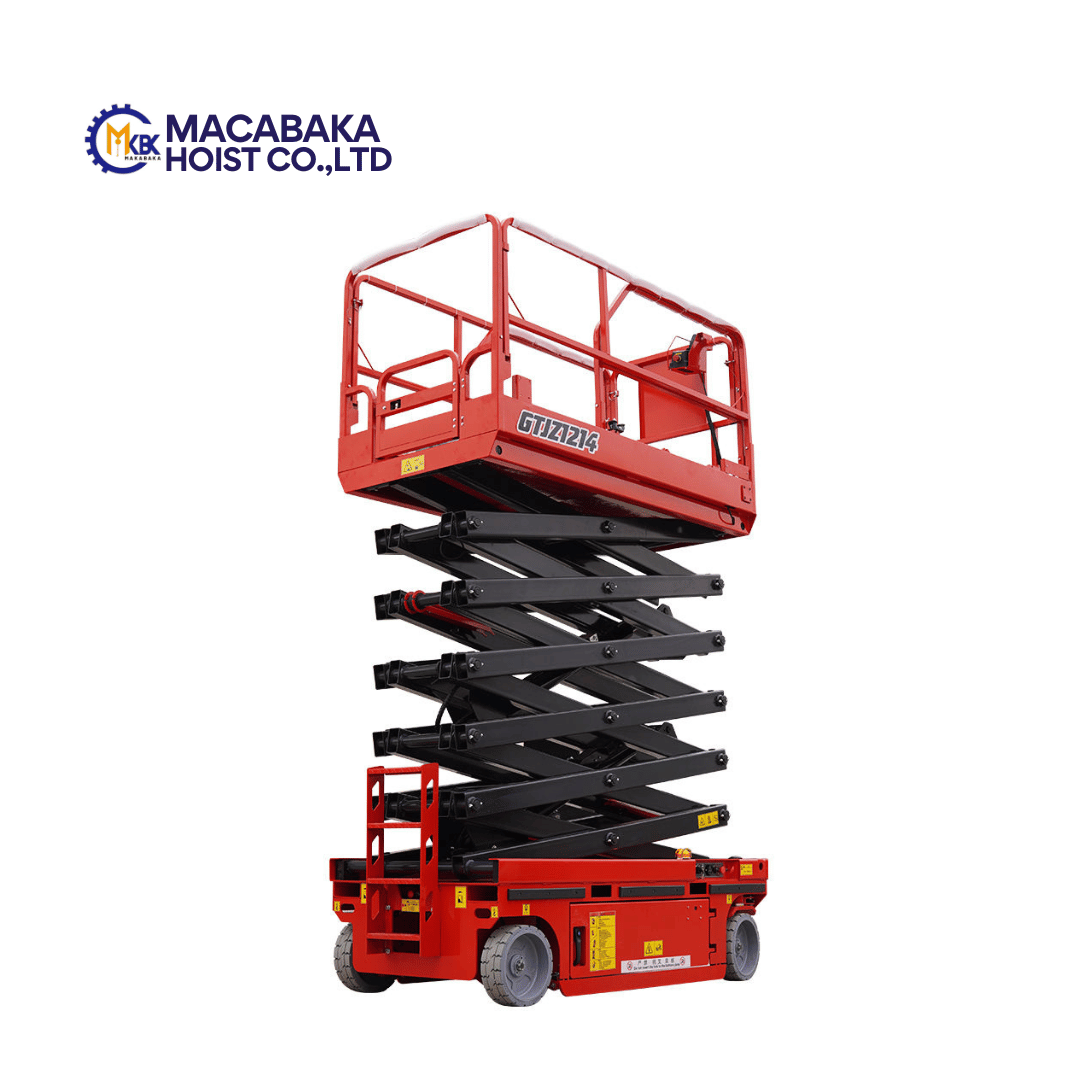
Self-propelled scissor lift has gradually replaced traditional scaffolding and manual push lifting tables in many industrial and commercial scenarios. Its biggest advantage is free movement while operators stay on the platform, eliminating frequent climbing down to reposition the machine and saving manual labor. As a mature electric aerial work platform, MKHOIST self-propelled scissor lift serves customers in many industries worldwide. This article sorts out typical real-world application cases for self-propelled scissor lift.
Warehouse logistics industry is the largest application market for self-propelled scissor lift. Modern e-commerce warehouses are equipped with high storage racks. Workers need to complete stock taking, label replacement, rack repair and lamp maintenance at height. Traditional ladders bring fall risks and scaffolding takes long time to assemble. Self-propelled scissor lift can move freely inside narrow aisles and quickly reach target height, improving warehouse operation safety and efficiency. Compact-size models can even enter cargo elevators for multi-floor warehouse operations.
Factory production workshop is another major usage scene. Factories need regular maintenance for ceiling ventilation pipes, lighting systems and equipment mounted on production lines. Self-propelled scissor lift features low noise and zero-emission electric drive, suitable for enclosed indoor workshop environment without exhaust pollution. Operators can adjust position and height directly on platform, greatly cutting down equipment maintenance downtime.
Commercial building maintenance covers shopping malls, exhibition halls, hotels, airports and railway stations. These public buildings require high-ceiling interior decoration, lamp replacement, curtain wall inspection and fire system checking. Self-propelled scissor lift runs smoothly without scratching floors thanks to non-marking solid rubber tires. It can operate during partial business hours without large-area site occupation. Many property management companies select CE-certified self-propelled scissor lift as standard maintenance equipment.
Interior renovation and fit-out projects also widely adopt self-propelled scissor lift. For office building renovation, painting, ceiling installation and cable laying, self-propelled scissor lift is far more flexible than scaffolding. Fast setup helps contractors shorten the whole project cycle. Small-height mini self-propelled scissor lift fits small room decoration work.
It is worth noting that self-propelled scissor lift has usage limits. Standard indoor-type models are designed for flat hard ground. Mud, sand and severely uneven ground will trigger tilt-protection alarm and lock machine movement. For outdoor rugged construction sites, customers should select rough-terrain self-propelled scissor lift variant.
Enterprises should match model specifications with actual working scenarios. Over-spec purchase will cause cost waste, while insufficient height or load will restrict work progress. MKHOIST provides customized-solution service: our technical team will suggest proper self-propelled scissor lift model according to your site photos, working height and load requirements. Check MKHOIST self-propelled scissor lift product range to get project-oriented solution.

 Factory Address: Dongl ü industrial Area,Qingyuan District, Baoding City, Hebei Province, China
 Contact number:
 Emall:
  Website:





 Home
Home Whatsapp
 Email
Email