
 English
 русский
 Español
 Indonesia
 Tiếng Việt
 Current Location:
-
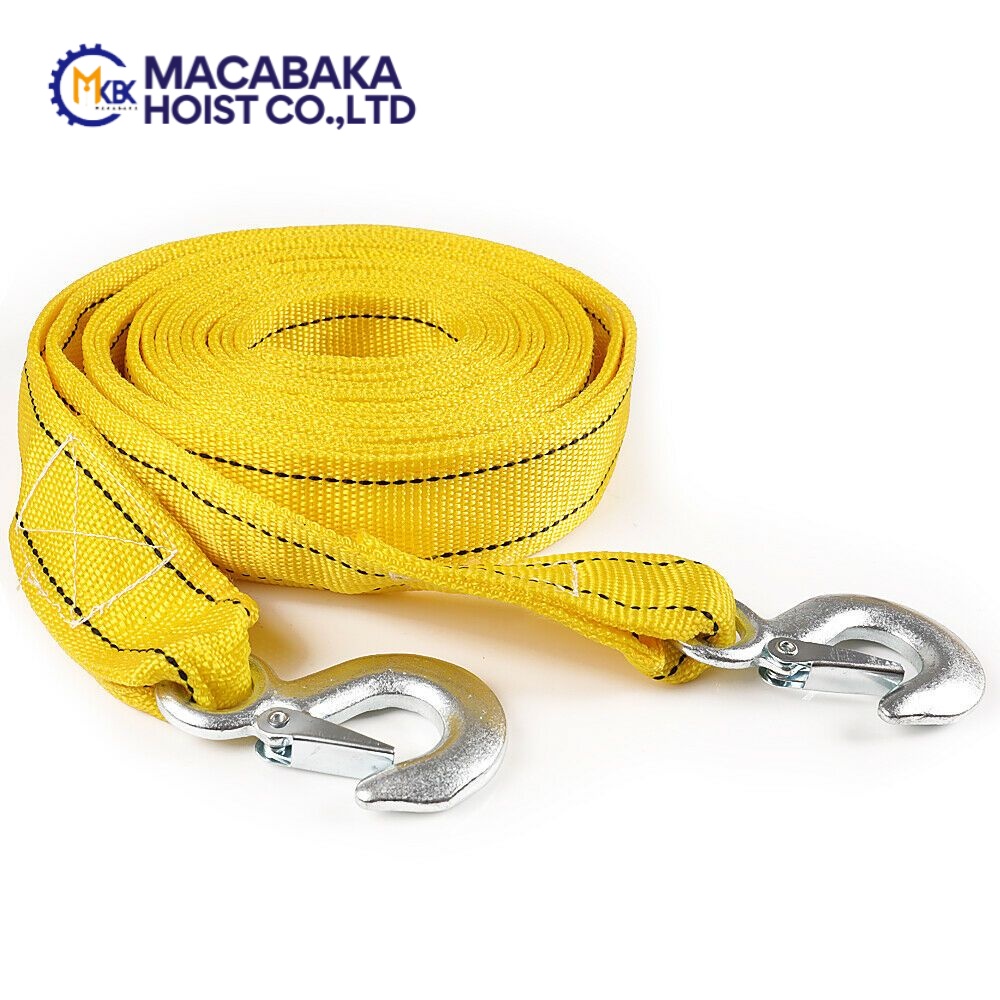
Car Towing Belt: Heavy‑Duty Webbing Sling for Roadside & Off‑Road Vehicle Rescue
-
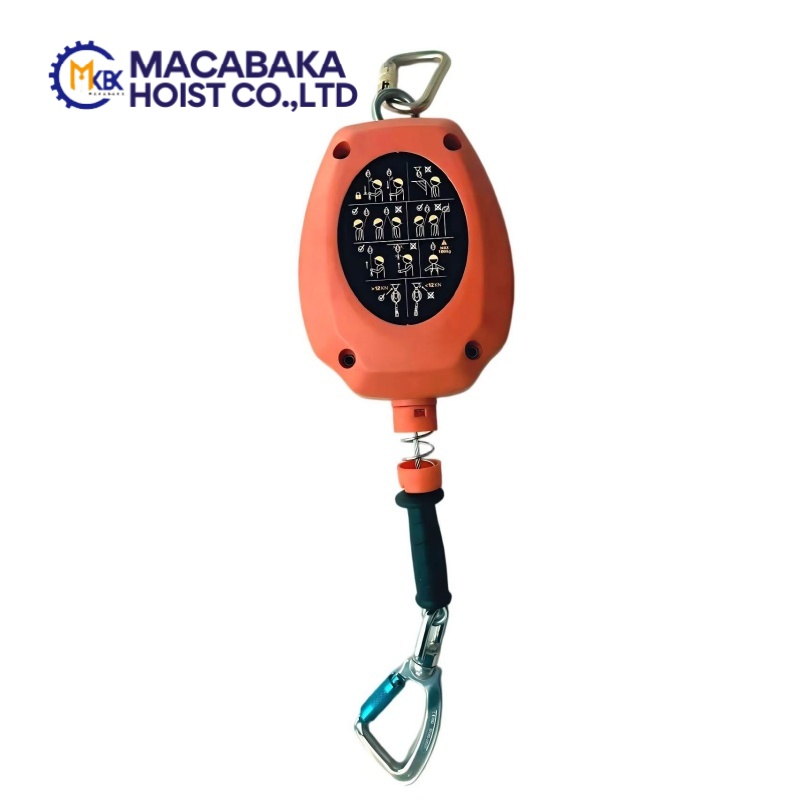
Retractable Lifeline — Self‑Retracting SRL Fall‑Protection Device for Working‑at‑Height Safety
-
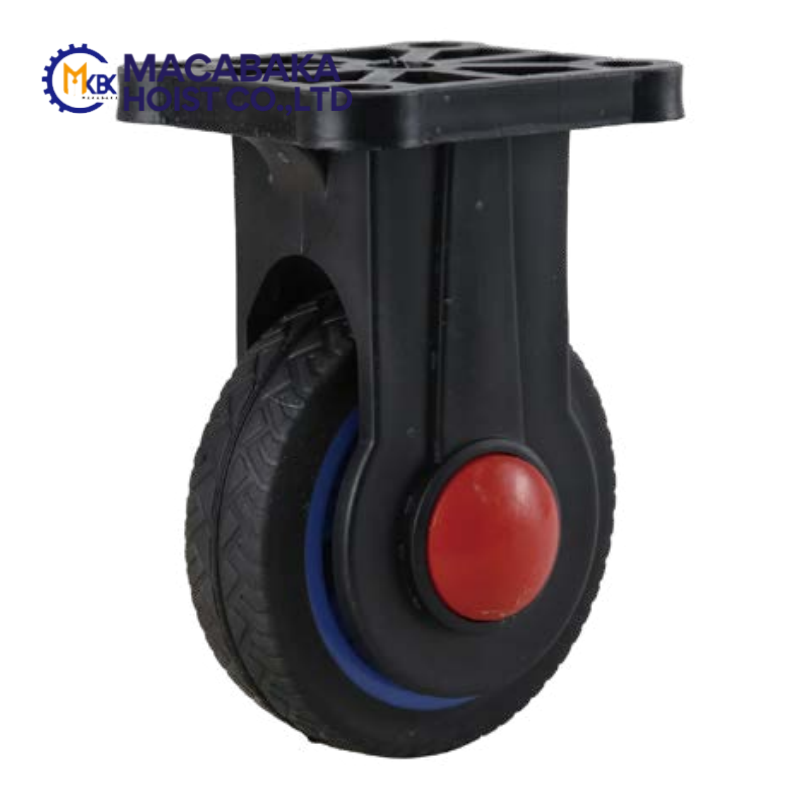
Ultra Quiet Casters — Premium Low‑Noise Industrial Caster Wheels for Noise‑Sensitive Working Environments
-
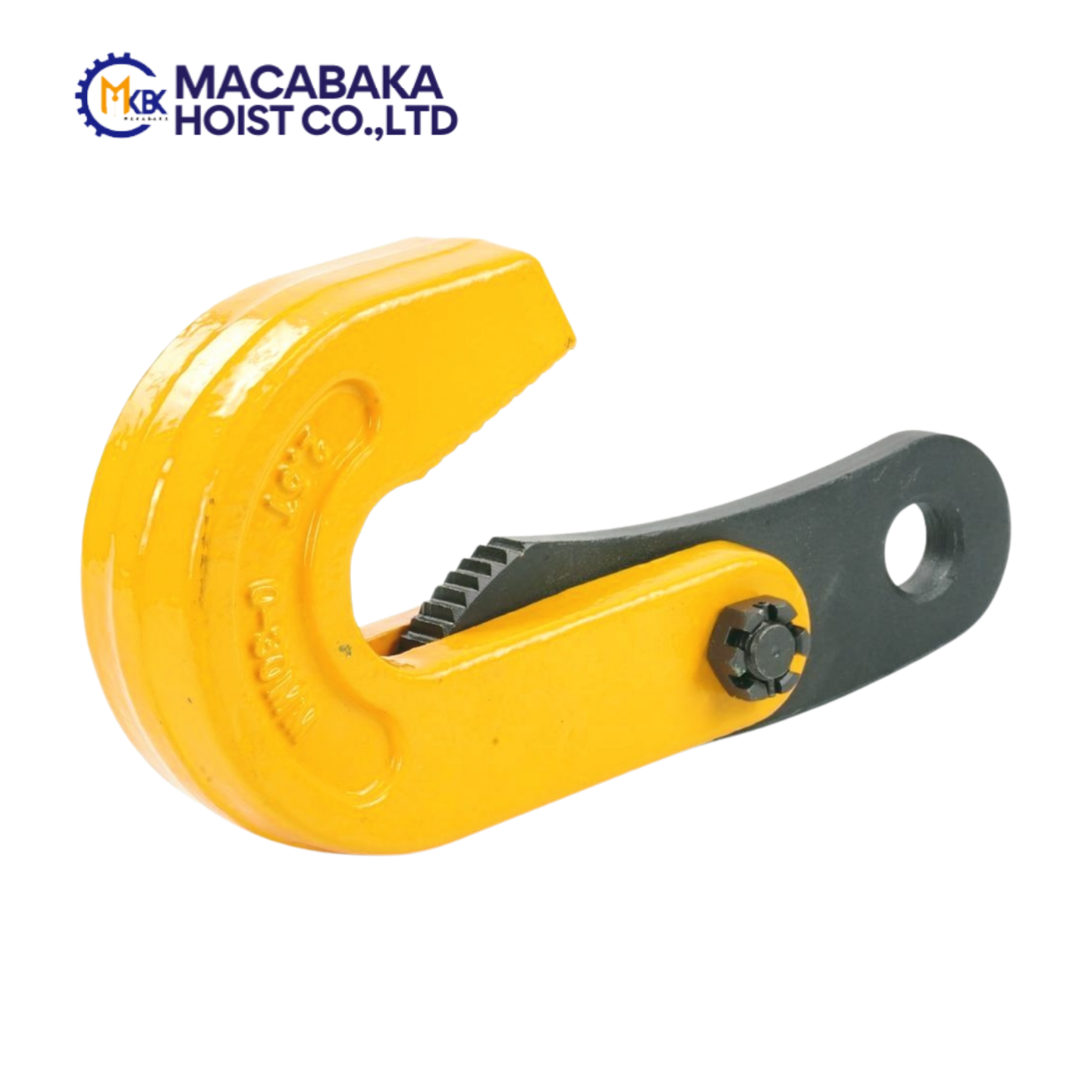
L Type Horizontal Lifting Clamps – Heavy Duty Steel Plate Lifting Solution by MACABAKA

Online consulting
If you have any questions, please contact our online customer service staff immediately
Car Towing Belt: Heavy‑Duty Webbing Sling for Roadside & Off‑Road Vehicle Rescue
 Click:5
  Time:2026-09-17 15:50:53
When vehicles break down on road or get stuck in mud, sand or snow, a reliable car towing belt becomes essential emergency gear. As one category of industrial webbing sling, textile tow belt is lighter and safer compared with traditional steel wire rope, lowering injury risks caused by broken wire whipping during towing operation. Macabaka supplies series of car towing belt products targeting both daily roadside assistance and tough off‑road recovery conditions.

Main Technical Parameters for Typical Car Towing Belt
Below shows mainstream specification reference for heavy‑duty car towing belt. Buyers should match working load, length and material according to actual vehicle weight and usage scenarios.
| Specification Item | Polyester Static Towing Belt | Nylon Recovery Towing Belt |
|---|---|---|
| Common Working Load Limit(WLL) | 5‑12 Ton | 4‑10 Ton |
| Safety Factor | 6:1 | 6:1 |
| Material | High‑strength Polyester Webbing | Nylon Webbing |
| Elongation Rate | <3% under WLL | 15%‑20% under WLL |
| Standard Length Option | 3m / 6m /9m | 6m /9m |
| End Fitting | Reinforced stitched eye‑loop | Reinforced stitched eye‑loop |
| Best Application | Roadside static vehicle towing | Off‑road kinetic snatch recovery |
Core Differences Between Polyester and Nylon Car Towing Belt
Material directly decides product performance boundary, many end‑users confuse static tow belt and kinetic recovery strap when purchasing car towing belt.
- Polyester car towing belt: Low stretch performance, outstanding UV‑resistance and abrasion resistance. Suitable for controlled short‑distance static towing on paved road. Not recommended for snatch‑type off‑road pulling.
- Nylon recovery‑type towing belt: Obvious elastic deformation under load. The kinetic energy from stretching helps release stuck vehicles from mud or sand. Should not be used for fixed‑position long‑time dragging.
Key Selection Tips for Car Towing Belt
1. Calculate load with sufficient safety margin
Do not merely match vehicle gross weight with working‑load‑limit value. Industry practice suggests minimum breaking strength should reach 3‑4 times vehicle total weight, to absorb impact force during startup towing.
2. Confirm length according to real‑world terrain
3‑6‑meter belts fit city roadside breakdown rescue; 9‑meter longer versions leave safer distance for off‑road recovery work.
3. Check stitching and hardware accessories
Reinforced multi‑layer stitching on eye loop is critical for service life. Supporting shackles or D‑rings need to match belt rated load. Never use damaged or deformed hardware.
4. Distinguish static towing vs kinetic recovery usage
Using low‑stretch polyester belt for snatch off‑road rescue will bring extra fracture risk. Match material property to your primary working scenarios.
Safe Operation & Routine Maintenance Advice
- Inspect webbing surface before every use, reject belt with cut, crack, burn or heavy abrasion marks.
- Do not tie knots on car towing belt body; knots will greatly reduce overall breaking strength.
- Avoid sharp corner friction. Add protective sleeve when contacting sharp metal edges.
- Keep away from high‑temperature heat source and chemical corrosive liquid during storage.
- Car towing webbing sling is for short‑distance emergency rescue only, comply with local traffic regulations for public‑road vehicle handling.
Conclusion
Choosing suitable car towing belt requires balancing material property, working load, length and real‑world usage environment. Macabaka heavy‑duty webbing‑style car towing belt provides reliable solution for both city roadside emergency and off‑road vehicle recovery work. End‑users should pay attention to safety factor and pre‑use inspection rather than focusing only on nominal tonnage parameter, to guarantee personal and vehicle safety during rescue operations.
Frequently Asked Questions
What is a car towing belt used for?
A car towing belt is heavy‑duty webbing sling for short‑distance vehicle towing, roadside breakdown assistance and off‑road vehicle recovery. It replaces steel wire rope with lightweight textile webbing and reduces risk of snapping injury.
What is difference between polyester and nylon car towing belt?
Polyester webbing features low stretch, good UV & abrasion resistance, fit for static controlled towing. Nylon webbing brings high elastic elongation, suitable for kinetic off‑road snatch recovery scenarios.
How do I select correct working load for car towing belt?
Always keep safety factor in mind. The minimum breaking strength should exceed 3‑4 times gross vehicle weight. Never run continuous operation over rated working load limit(WLL).
What key inspection items before using car towing belt?
Check webbing for cuts, abrasion, burn damage; inspect reinforced loop stitching; confirm shackle / D‑ring hardware condition; avoid knots on towing belt body during operation.
Can car towing belt work for long‑distance highway towing?
Car towing webbing belt is designed for short‑distance emergency rescue. Long‑distance highway transportation should adopt professional tow bar or flat‑bed trailer complying with local traffic regulations.
- Previous Article:
- Next Article: Retractable Lifeline — Self‑Retracting SRL Fall‑Protection Device for Working‑at‑Height Safety

 Factory Address: Dongl ü industrial Area,Qingyuan District, Baoding City, Hebei Province, China
 Contact number:
 Emall:
  Website:





 Home
Home Whatsapp
 Email
Email