
 English
 русский
 Español
 Indonesia
 Tiếng Việt
 Current Location: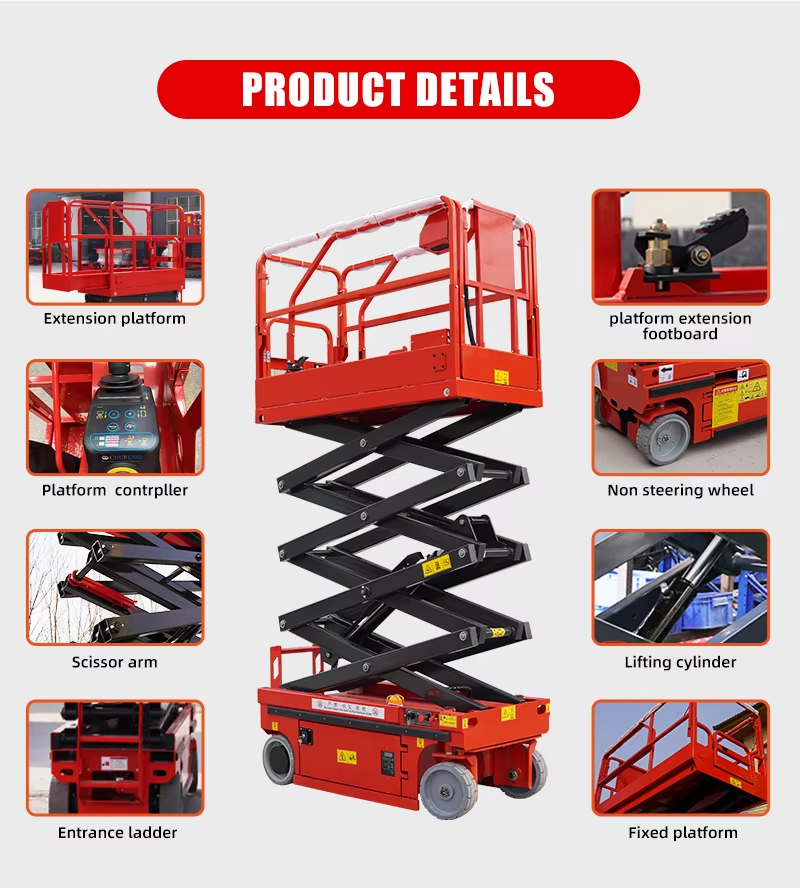

 Click:3
 Time:2026-10-17 15:19:43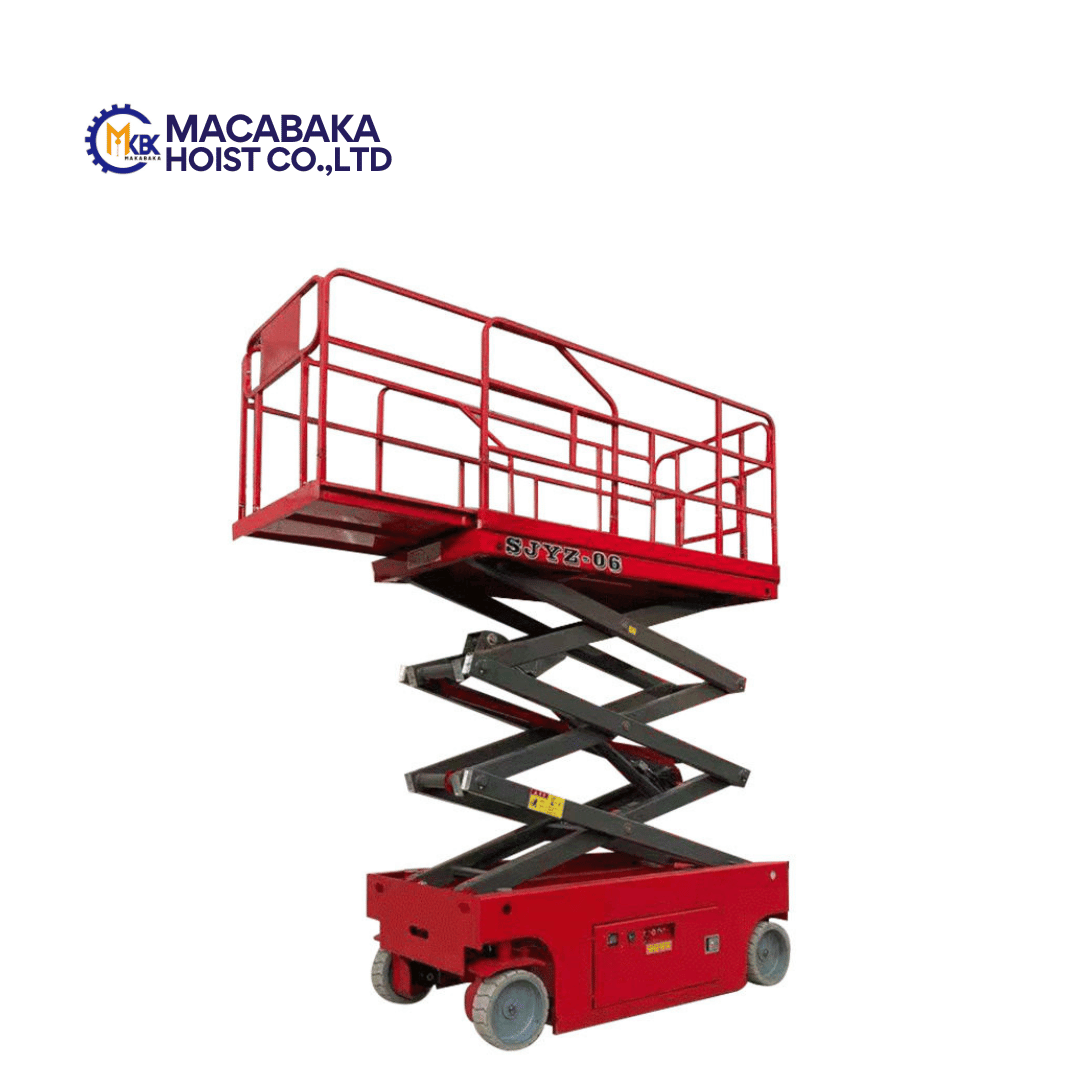
When purchasing scissor-type lifting tables, most buyers will face a core choice: self-propelled scissor lift or manual push scissor lift. Both belong to scissor-lift-table product line, but they are quite different in mobility, labor cost, purchase budget and applicable scenarios. Many buyers make wrong selection because they cannot clearly distinguish the two types. This article compares self-propelled scissor lift and manual push scissor lift from multiple dimensions to help you make correct procurement decision.
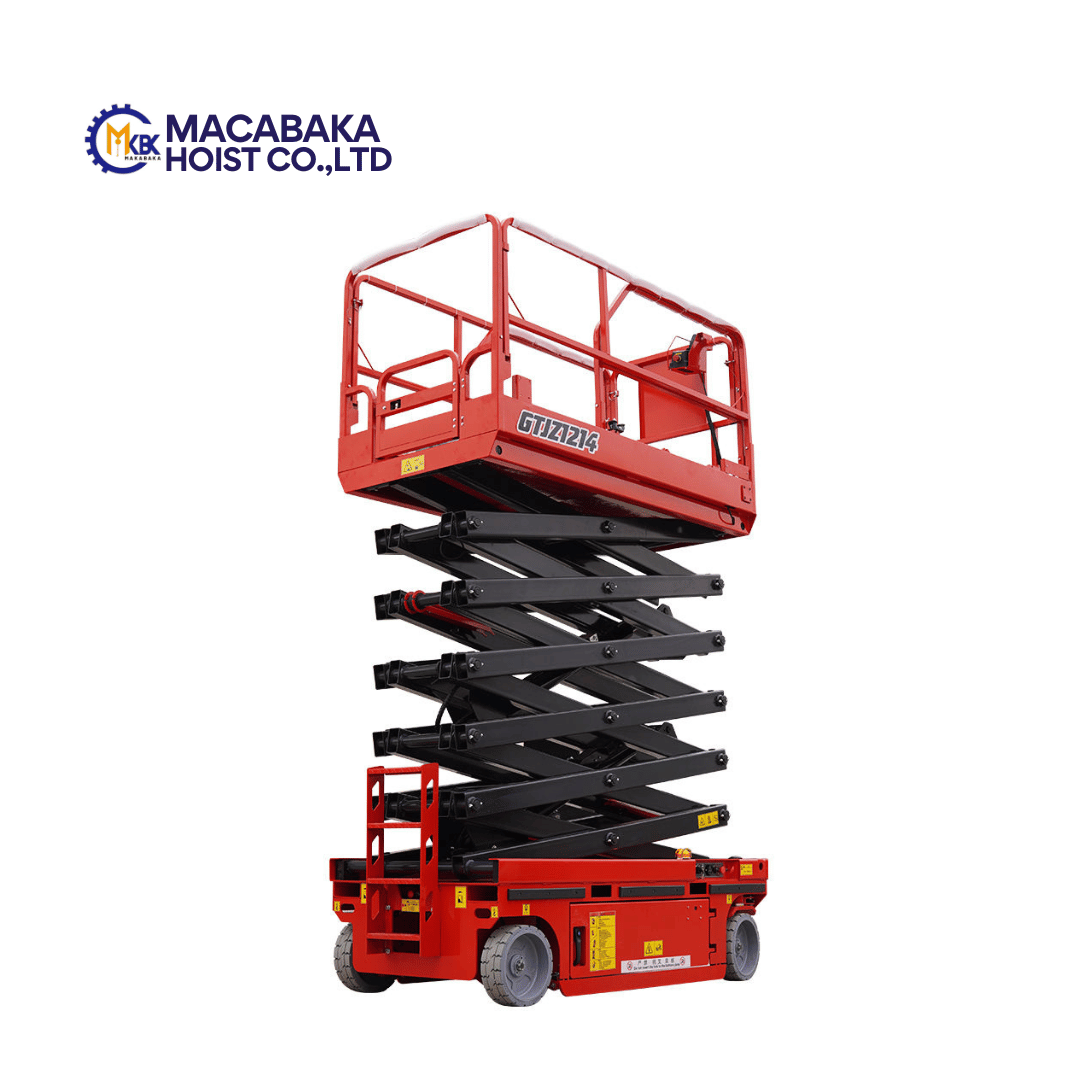
The essential difference lies in mobility mode. Self-propelled scissor lift adopts built-in electric driving motor. Operators control forward, backward and turning directly on working platform; no ground pushing labor required. Manual push scissor lift has no drive motor. Operators need to get down from platform, push the whole machine manually to change position, then climb back to platform for lifting operation. Every position adjustment needs repeated up-and-down work.
In terms of work efficiency, self-propelled scissor lift shows obvious advantages for frequent-movement tasks. If your work needs to constantly shift working spots, such as warehouse stock-taking and multi-area equipment inspection, self-propelled scissor lift can save much time and physical labor. Manual push scissor lift is more suitable for fixed-point working: move machine to target position once, lock wheels, then keep working for long time without relocation.
On budget and cost: self-propelled scissor lift adds driving motor, walking control system and larger-capacity battery, so its purchase cost is higher than manual push type. Manual push scissor lift has simpler structure, lower price, lighter weight and easier transportation. But you need to calculate labor cost into total cost. If your site requires frequent relocation, manual-push mode will consume more manpower in long-term operation.
For site-adaptability: self-propelled scissor lift total weight is heavier due to driving system and battery. Mini self-propelled models can pass through doorways and elevators, but you need to pay attention to floor bearing capacity. Manual push scissor lift is lighter and easier to transport between different buildings and floors. Both types adopt anti-slip platform and emergency stop function, but self-propelled version adds mobile safety protection such as tilt-protection system.
Let’s sort out selection reference rules. Choose self-propelled scissor lift if: you need frequent position shifting during high-altitude work; labor cost pressure is high; project has high efficiency requirements; long-term large-volume daily operation. Choose manual push scissor lift if: mostly fixed-point operation; limited procurement budget; machine needs frequent transfer between different buildings and floors.
Many clients do not need to pick only one solution. Medium-size enterprises can configure both types: deploy self-propelled scissor lift for daily frequent-moving main-site operation, and use manual push scissor lift for occasional small-project temporary tasks.
MKHOIST manufactures both self-propelled scissor lift and manual push lift tables. If you cannot confirm which type matches your project, send us your working-site condition, height requirement and load demand. Our sales-engineer team will provide neutral suggestion. Visit self-propelled scissor-lift product page for detailed parameters and quotation support.

 Factory Address: Dongl ü industrial Area,Qingyuan District, Baoding City, Hebei Province, China
 Contact number:
 Emall:
  Website:





 Home
Home Whatsapp
 Email
Email