
 English
 русский
 Español
 Indonesia
 Tiếng Việt

 Current Location:
-

Mastering Precision Overhead Material Handling with an Alloy Steel Gear Trolley
-

MKBK Hoist Steel Plate Permanent Magnet Lifter: Ultimate Industrial Lifting Solution
-
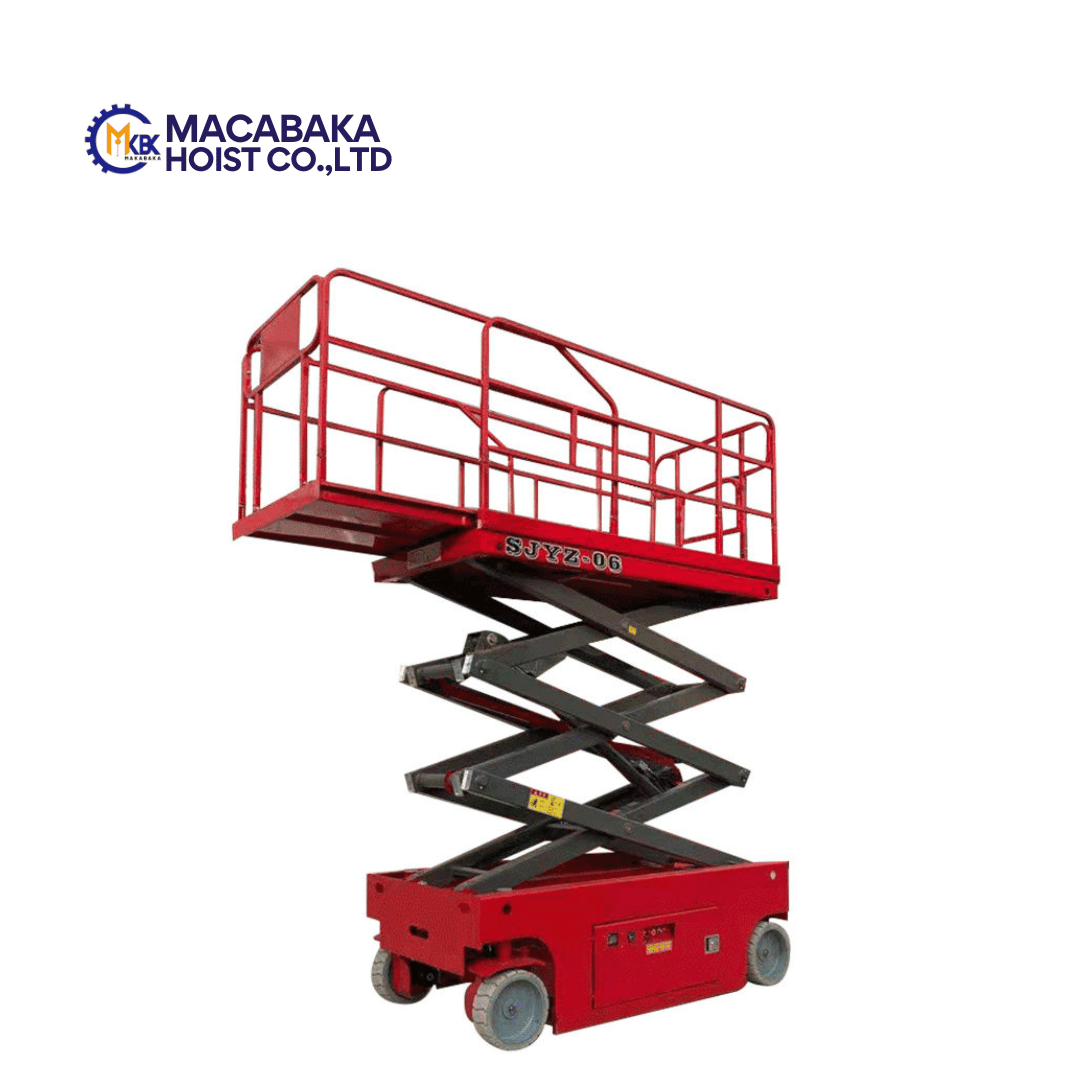
Self‑Propelled Scissor Lift VS Manual Push Scissor Lift: Which One Fits Your Project?
-
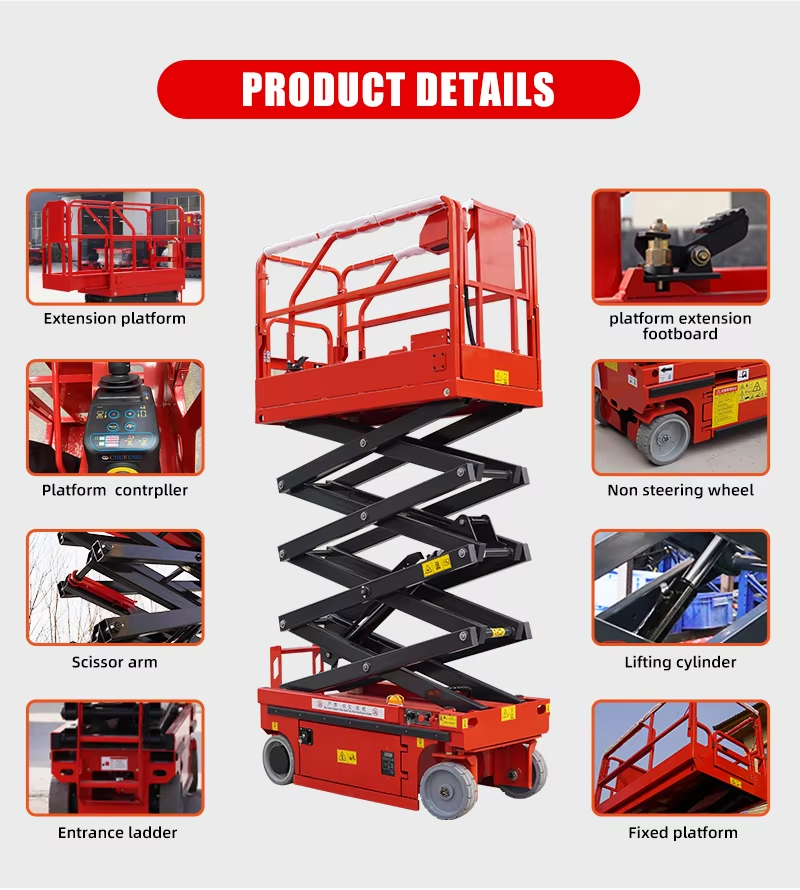
Main Application Scenarios of Self‑Propelled Scissor Lift in Modern Industrial Operation

Online consulting
If you have any questions, please contact our online customer service staff immediately
Mastering Precision Overhead Material Handling with an Alloy Steel Gear Trolley
 Click:14
 Time:2026-10-27 16:40:45
This technical guide evaluates the mechanical engineering, structural performance, and logistical advantages of the Alloy Steel Gear Trolley.

1. Introduction to Precision Monorail Traversal
In modern manufacturing and warehouse environments, efficient horizontal load transport is just as critical as vertical lifting. While standard push trolleys rely on manually shoving suspended loads along overhead beams—often resulting in dangerous swinging or operator strain—an alloy steel gear trolley provides controlled, mechanical positioning via a hand-chain mechanism. By translating hand-chain rotation into smooth gear movement, operators can precisely navigate heavy hoists across straight or curved monorail tracks with absolute accuracy.
2. Core Engineering & Structural Advantages
MKHoist gear trolleys are forged from premium high-tensile alloy steel to withstand harsh industrial duty cycles. Key engineering advantages include:
- Heavy-Duty Alloy Steel Construction: Thick-walled side frames and robust load bars offer exceptional resistance to impact, bending forces, and environmental wear.
- Precision Geared Drive Mechanism: Incorporates hardened internal gears and a smooth hand-chain wheel, allowing operators to maneuver delicate or heavy payloads without manual swaying.
- Versatile Beam Flange Adjustment: Easily adjustable using precision spacer washers or threaded axles to accommodate a wide variety of standard I-beam and H-beam flange profiles.
- Built-in Safety Protections: Features integrated drop-stop plates and wheel guard lugs that protect the dual-axle hardened steel rollers against track end collisions and derailment.
3. Technical Specification Comparison Table
To assist facility engineers and procurement specialists in selecting the correct equipment tier for their structural loads, the following specification matrix outlines key operating parameters:
| Technical Parameter | 1-Ton Light Duty Model | 2-Ton Medium Duty Model | 5-Ton Heavy Duty Model |
|---|---|---|---|
| Rated Load Capacity | 1.0 Ton (2,200 lbs) | 2.0 Ton (4,400 lbs) | 5.0 Ton (11,000 lbs) |
| Compatible Beam Flange Width | 64mm - 140mm (2.5" - 5.5") | 88mm - 203mm (3.5" - 8.0") | 114mm - 203mm (4.5" - 8.0") |
| Minimum Curve Radius | 0.9 Meters | 1.3 Meters | 1.8 Meters |
| Drive Type | Hand Chain Geared Drive | Hand Chain Geared Drive | High-Reduction Geared Drive |
| Bearing Type | Sealed Maintenance-Free Ball Bearings | Sealed Maintenance-Free Ball Bearings | Heavy-Duty Double Row Roller Bearings |
4. Maintenance Best Practices & Operational Longevity
Ensuring the long-term safety and smooth operation of your alloy steel gear trolley requires routine preventative maintenance. Technicians should regularly inspect the hand chain for kinks, lubricate internal gears with high-pressure industrial grease, and check axle nuts and cotter pins for tightness. Periodic inspection of beam tracks prevents premature wheel flange wear and guarantees uninterrupted material flow.
5. Frequently Asked Questions (FAQ)
Q: What are the primary advantages of an Alloy Steel Gear Trolley over a standard push trolley?
A: An alloy steel gear trolley utilizes a hand-chain driven gear mechanism that allows operators to position heavy suspended loads with extreme precision, preventing load swing and offering enhanced safety during horizontal travel.
Q: How do you adjust the beam flange width on an MKHoist gear trolley?
A: Flange width adjustment is achieved by rearranging precision spacer washers along the cross-threaded axle or by rotating the threaded load bar, allowing a secure fit across standard I-beams and H-beams.
Q: What safety features are integrated into industrial gear trolleys?
A: MKHoist gear trolleys incorporate built-in wheel rupture supports, anti-drop side plates, dual-axle security pins, and maintenance-free sealed ball bearings to guarantee long-term operational safety.
- Previous Article:
- Next Article: MKBK Hoist Steel Plate Permanent Magnet Lifter: Ultimate Industrial Lifting Solution

 Factory Address: Dongl ü industrial Area,Qingyuan District, Baoding City, Hebei Province, China
 Contact number:
 Emall:
 Website:





 Home
 Whatsapp
 Email