
 English
 русский
 Español
 Indonesia
 Tiếng Việt

 Current Location:



 Click:6
 Time:2026-11-07 16:48:00
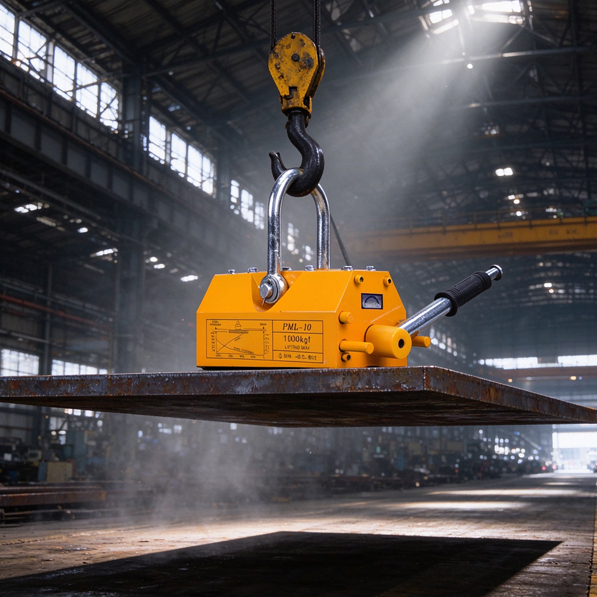
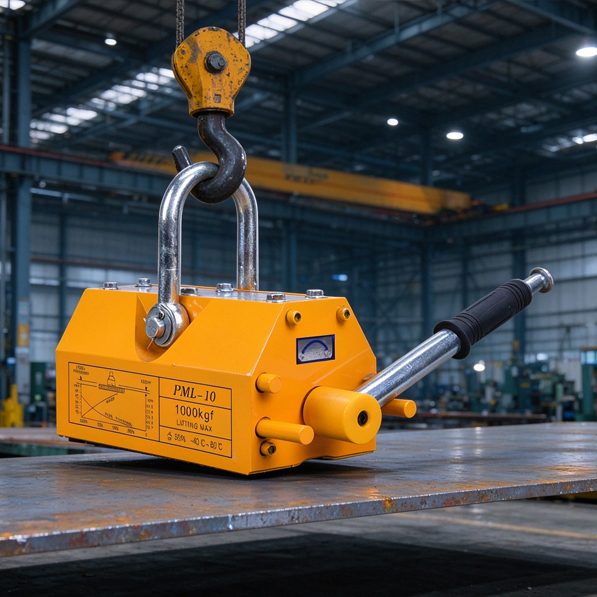
MKBK Hoist Crane Manual Permanent Magnet Lifter Magnetic is widely adopted for crane‑coordinated material‑handling in metal‑fabrication, steel‑warehouse and machinery‑manufacturing industries. Many buyers face wrong‑model selection, non‑standard‑operation and insufficient‑maintenance problems, which bring safety‑risks and shorten product‑service‑life. This buying‑guide article focuses on selection‑dimensions, operating‑specifications, daily‑maintenance and difference between permanent‑magnet lifter vs electromagnetic magnet, helping enterprises maximize return‑on‑investment when purchasing MKBK Hoist manual magnetic‑lifting equipment.

Comparison Table: Key Selection Reference for MKBK Hoist Manual Permanent Magnet Lifter Magnetic
| Selection Factor | Description & Requirement | Impact if Ignored |
|---|---|---|
| Workpiece Type | Flat steel‑plate / round‑bar / steel‑block; round‑bar capacity is 50% of flat‑plate rating | Over‑load risk when lifting cylindrical material using flat‑plate rated‑value |
| Steel‑plate Thickness | Each model has minimal‑plate‑thickness requirement | Weak magnetic‑adsorption, workpiece dropping hazard |
| Working Temperature | ‑40℃ ~ +80℃ for standard MKBK Hoist unit | High‑temperature will cause irreversible magnet‑demagnetization |
| Safety‑Factor Standard | ≤2000kg:3.5x; >2000kg:3.0x breakaway‑force vs rated‑load | Purchase low‑safety‑factor knock‑off product, serious safety‑hidden‑trouble |
| Usage‑frequency | High‑frequency workshop needs periodic inspection of shackle & locking‑handle | Component wear accumulates, sudden‑failure risk without inspection |
How to Select Suitable MKBK Hoist Crane Manual Permanent Magnet Lifter Magnetic
When shopping for crane‑matched manual permanent‑magnet lifter magnetic, many customers only refer to workpiece‑weight and ignore workpiece geometry constraints. The same model shows different lifting‑capacity for flat‑plate and round‑steel; round‑bar rated‑load is generally half flat‑plate capacity. For example PML‑1000 model can lift 1000kg flat‑steel‑plate, but only supports 500kg round‑bar material.
Steel‑plate thickness is another easily‑overlooked index. If plate thickness falls below minimal‑thickness parameter of selected‑model, magnetic‑penetration depth is insufficient, even if actual‑weight is lower than nominal‑rating, slipping or dropping‑accident may happen. Users should measure actual‑workpiece thickness before confirming order. Standard MKBK Hoist manual permanent‑magnet lifter magnetic works within‑40℃ ~ +80℃ ambient‑temperature; hot‑workpiece over 80℃ is forbidden to lift, otherwise NdFeB magnet will suffer permanent‑performance‑loss.
Compare permanent‑magnet lifter and electromagnetic lifting‑magnet: MKBK Hoist manual crane‑magnet does not need cable‑wiring or continuous‑power‑supply. Even in sudden‑power‑off event, adsorbed steel‑parts will not fall, greatly improving site‑safety. Electromagnetic magnet must keep power‑on during whole‑lifting‑cycle, needs complex power‑control‑cabinet and higher‑procurement‑&‑operation‑cost, only fit for special heavy‑duty‑scenarios.
Standard Operation & Daily‑Maintenance Best‑Practice
Before hoisting, clean magnet bottom contact‑surface, remove welding‑slag, rust, paint‑coating and debris. Debris gap will reduce effective magnetic‑attraction. Toggle manual‑lever to lock‑on state, check lever‑locking‑position is fully engaged before starting crane lifting. Never stand under suspended magnetic‑lifter and hanging‑workpiece. After placing workpiece, toggle lever to release‑position to demagnetize and separate lifter from material.
Daily maintenance steps for MKBK Hoist crane manual permanent‑magnet lifter magnetic: keep magnetic‑surface clean; avoid violent‑impact hitting magnet‑core surface; inspect shackle, pin‑shaft and handle‑locking‑device for wear or crack regularly. For high‑frequency‑usage workshop, perform safety‑inspection every 3‑6 months, test breakaway‑adsorption‑performance. Do not disassemble magnet‑module by yourself, unauthorized‑disassembly will damage internal‑magnetic‑circuit structure and void product‑warranty.
FAQ Section
Q: How do I select right MKBK Hoist crane manual permanent magnet lifter magnetic?
A: Confirm actual‑lifting‑weight, workpiece‑form(flat‑plate / round‑bar), minimal‑steel‑plate‑thickness, working‑temperature. Never select model only by workpiece‑weight; pay attention to cylindrical‑material derating‑coefficient.
Q: What are typical mistakes while operating manual permanent magnetic lifter?
A: Common errors: lifting over‑rated‑load, lifting thin‑steel‑plate below minimal‑thickness, lifting high‑temperature‑workpiece over 80℃, staying under suspended‑load during hoisting‑process.
Q: How to maintain MKBK Hoist permanent magnet lifter magnetic?
A: Keep magnet‑contact‑surface free of welding‑slag and rust; regularly inspect‑handle‑locking‑mechanism and lifting‑shackle‑wear; prevent heavy‑impact‑blows on magnet‑surface; run periodic safety‑check according to usage‑frequency.
Q: Difference between permanent magnetic lifter and electromagnetic lifting magnet?
A: Manual permanent‑magnet lifter requires zero‑electricity, no power‑failure falling‑risk and low‑maintenance; electromagnetic‑magnet demands continuous‑power‑supply with higher‑cost, applied for special ultra‑large‑capacity‑scenarios.
MKBK Hoist Crane Manual Permanent Magnet Lifter Magnetic brings high‑efficiency and safety for crane‑assisted metal‑handling. Correct‑model‑selection, standardized‑operation and regular‑maintenance can extend magnet‑service‑life and avoid industrial‑accidents. Always refer official‑product‑specification sheet when purchasing and deploying magnetic‑lifting equipment.

 Factory Address: Dongl ü industrial Area,Qingyuan District, Baoding City, Hebei Province, China
 Contact number:
 Emall:
 Website:





 Home
 Whatsapp
 Email