
 English
 русский
 Español
 Indonesia
 Tiếng Việt
 Current Location:
-
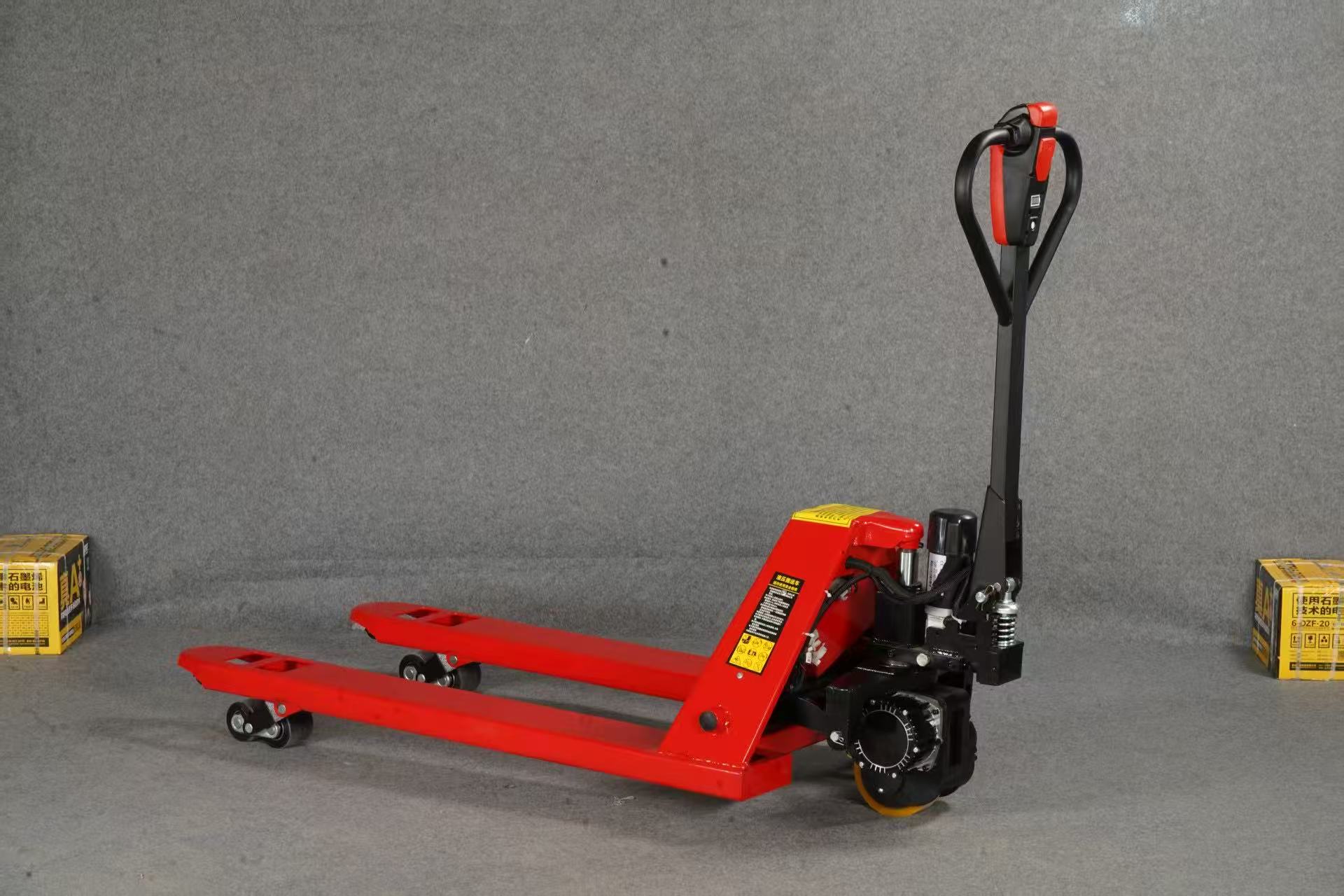
2 Ton Lithium Electric Pallet Truck: A Smart Profit-Boosting Product for Modern Warehouses
-
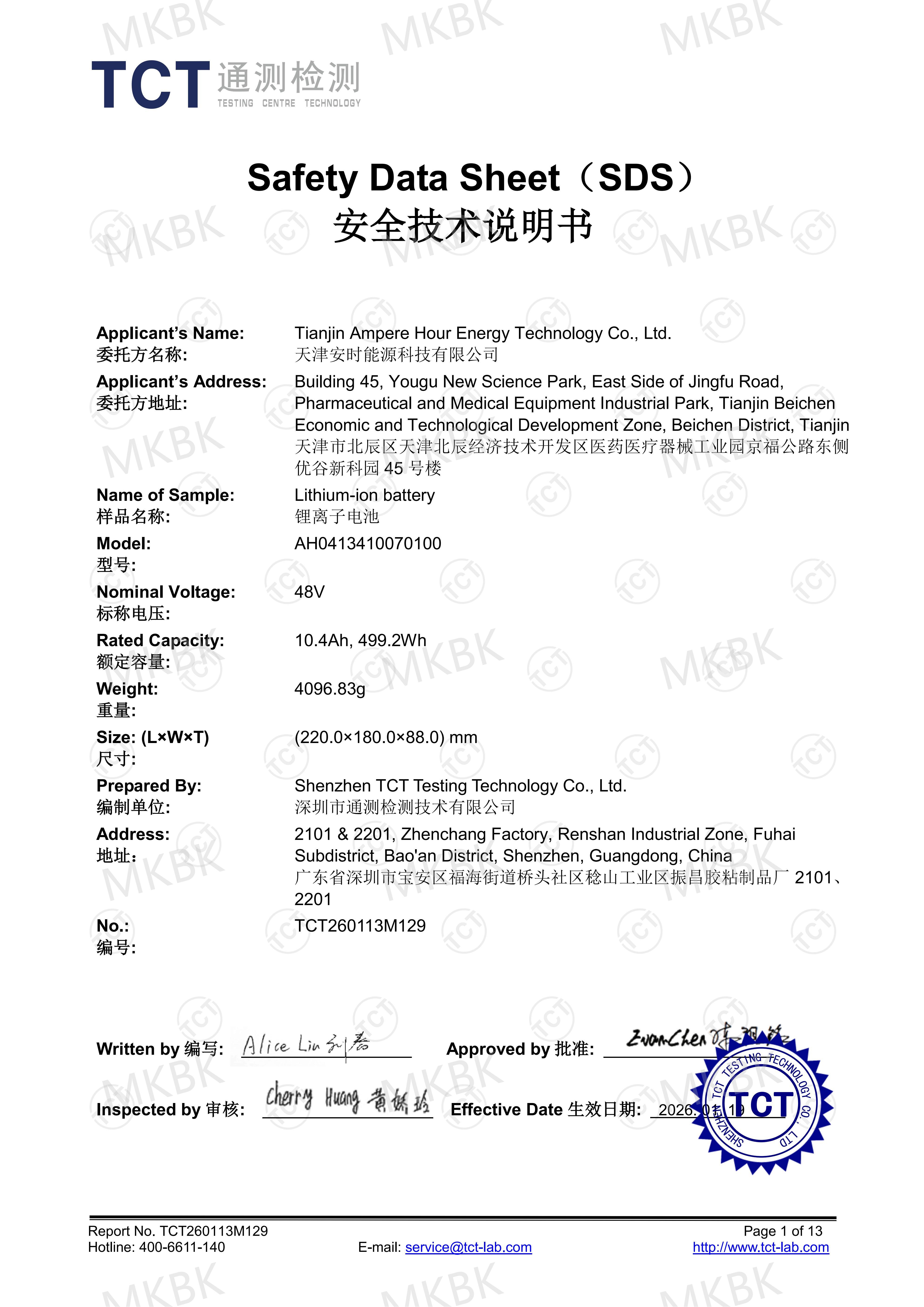
Lithium Electric Pallet Trucks Successfully Certified: Export Restrictions No Longer a Problem
-
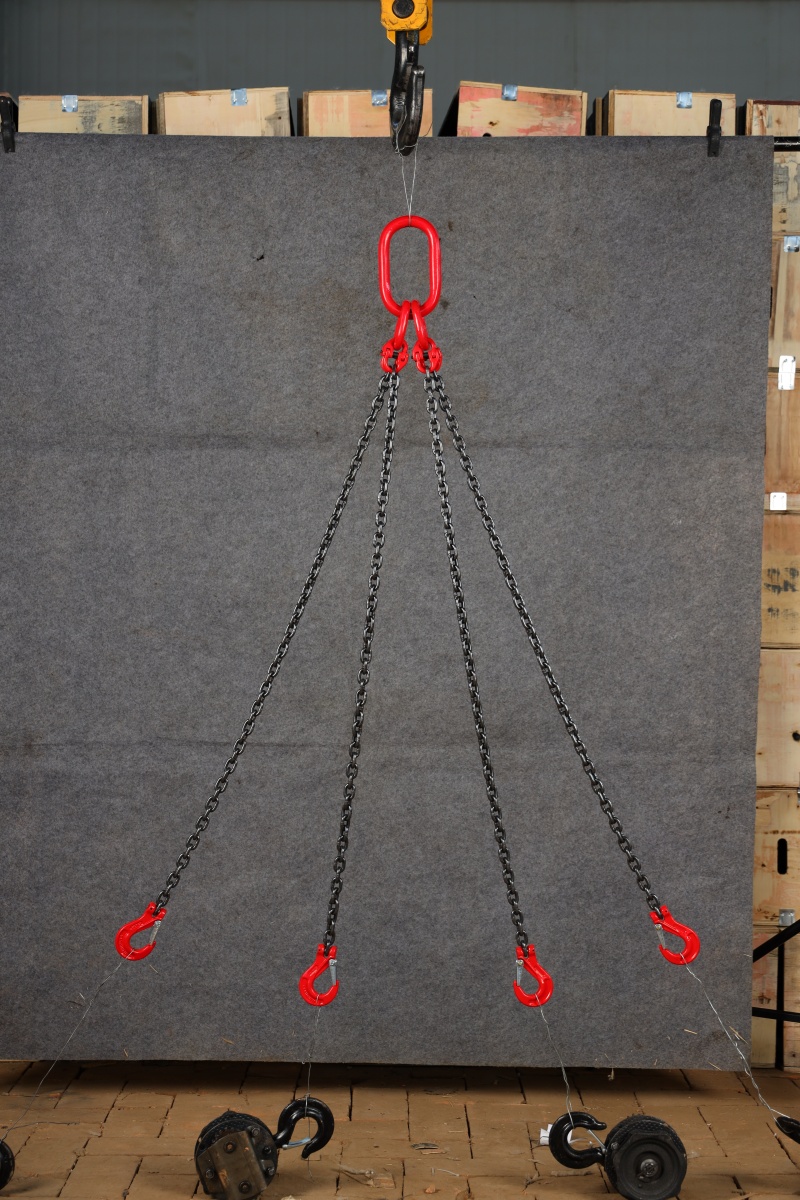
Top 6 Lifting Chains With Hooks: What You Need to Know
-
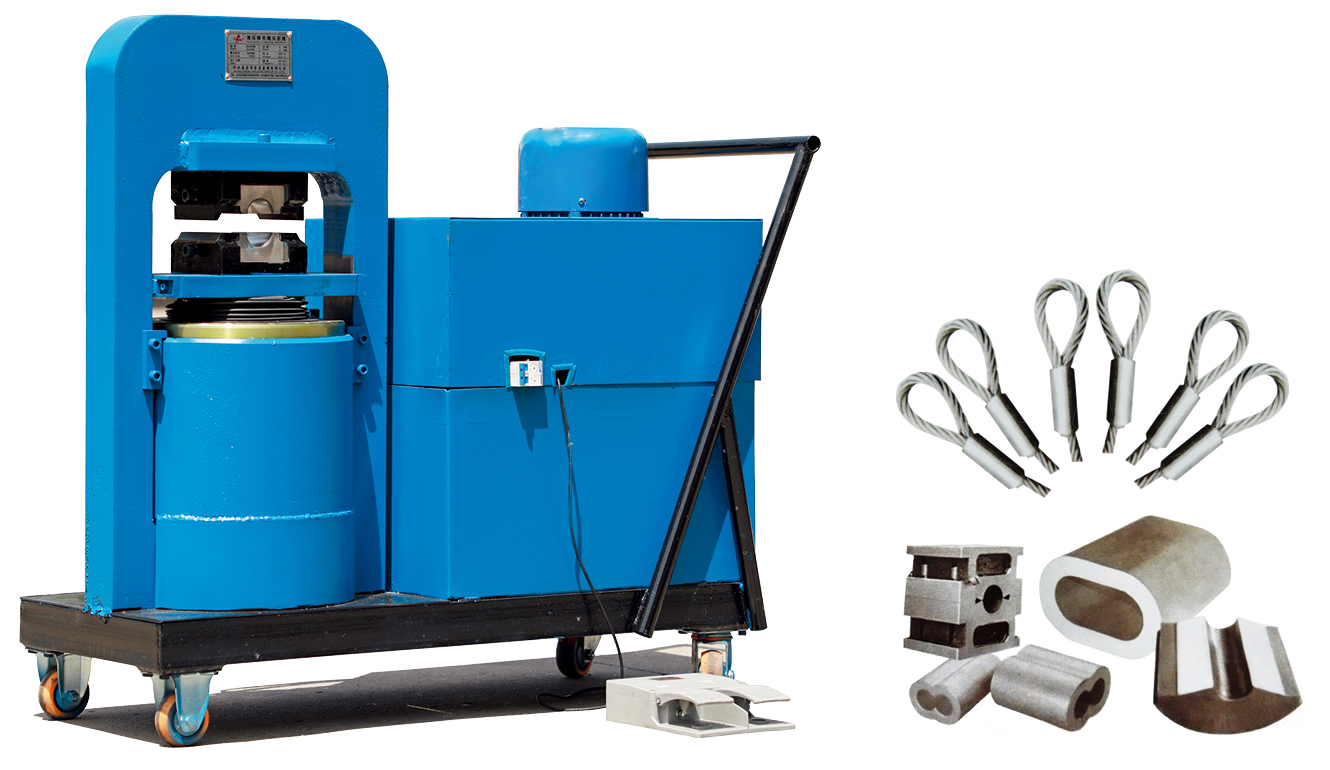
High-Precision Wire Rope Swaging Machines: Ensure Safety and Efficiency for Every Lift

Online consulting
If you have any questions, please contact our online customer service staff immediately
Manual vs Electric Pallet Trucks
 Click:328
  Time:2026-04-09 10:06:58
Which One Fits Your Warehouse Better?
At first glance, all pallet trucks seem to do the same job — move pallets from A to B.
But in real warehouse operations, the difference between manual and electric pallet trucks shows up very quickly.
One relies on people.
The other relies on power.
At MKBKHOIST, we’ve seen customers choose the wrong type and only realize it after weeks of slow work or operator fatigue. So let’s break it down in a simple, practical way.
1. The Core Difference: How They Work
The main difference is the power source.
- Manual pallet trucks use a hydraulic pump and human force
- Electric pallet trucks use a battery-powered motor
In manual models, lifting is done by pumping the handle, and moving the load requires pushing or pulling.
In electric models, both lifting and travel are assisted (or fully powered) by the motor.
That one difference changes everything — from speed to cost.
2. Side-by-Side Comparison (Real Use Perspective)
Let’s keep it practical, not theoretical.
Power & Effort
Manual: fully human-powered, requires physical strength
Electric: motor-driven, minimal effort
Working Speed
Manual: depends on walking speed
Electric: consistent and faster, especially over distance
Operator Fatigue
Manual: increases over time, especially with heavy loads
Electric: significantly reduced fatigue
Initial Cost
Manual: low investment
Electric: higher upfront cost
Maintenance
Manual: simple, fewer parts
Electric: requires battery and motor maintenance
3. Efficiency vs Cost — The Real Trade-Off
This is where most decisions are made.
Manual pallet trucks are attractive because:
- low purchase cost
- simple structure
- easy to maintain
Electric pallet trucks stand out because:
- faster operation
- less labor required
- better for continuous work
In busy warehouses, electric models can reduce transport time by up to 50% in long-distance operations.
So the real question is not price —
it’s how much work you need to handle every day
4. Where Each Type Works Best
From real customer use cases:
Manual Pallet Truck is better for:
- small warehouses
- short distances
- low daily workload
- budget-sensitive businesses
Electric Pallet Truck is better for:
- large warehouses
- frequent loading/unloading
- long aisles
- operations with ramps or slopes
Electric models also improve safety with features like controlled braking and anti-rollback on inclines.
5. One Practical Insight Most People Miss
Many buyers focus only on purchase price.
But in real operations:
- Manual truck → saves money upfront, costs more in labor
- Electric truck → costs more upfront, saves time every day
If your team is handling pallets all day, the “cheaper” option often becomes more expensive in the long run.
6. Simple Selection Logic (No Overthinking)
If you want a quick decision guide:
- Occasional use → Manual pallet truck
- Daily repetitive work → Electric pallet truck
- Growing warehouse → Start manual, upgrade later
That’s how most businesses evolve.
Final Thoughts
Manual and electric pallet trucks are not competitors —
they are tools for different stages of a business.
Manual trucks are simple, reliable, and affordable.
Electric trucks are efficient, faster, and easier on workers.
At MKBKHOIST, we usually tell customers:
Choose based on your workload, not just your budget.
Because in the end, the right choice is the one that keeps your operation moving — smoothly, every day.
- Previous Article:Stainless Steel Pallet Trucks in Stock
- Next Article: Stacker Solutions for Every Warehouse

 Factory Address: Dongl ü industrial Area,Qingyuan District, Baoding City, Hebei Province, China
 Contact number:
 Emall:
  Website:





 Home
Home Whatsapp
 Email
Email