
 English
 русский
 Español
 Indonesia
 Tiếng Việt
 Current Location:
-
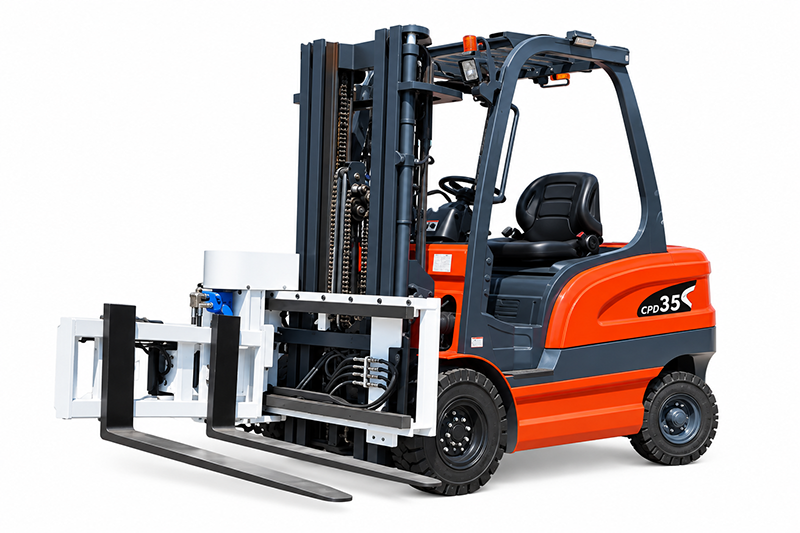
Customized Three-Way Stacker: A Smart Solution for Narrow-Aisle Warehousing | MKBK Hoist
-
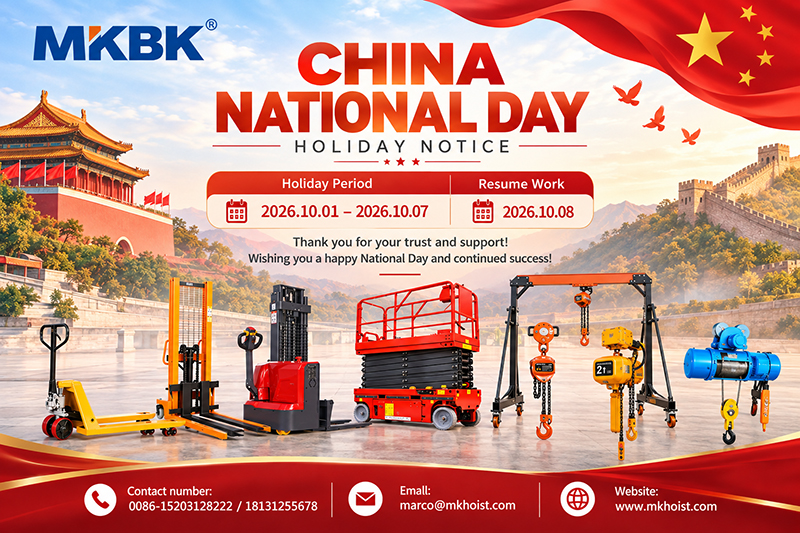
MKBK Hoist 2026 China National Day Holiday Notice | October 1–7
-
Happy Mid-Autumn Festival from MKBK Hoist — Different Places, Under the Same Moon
-
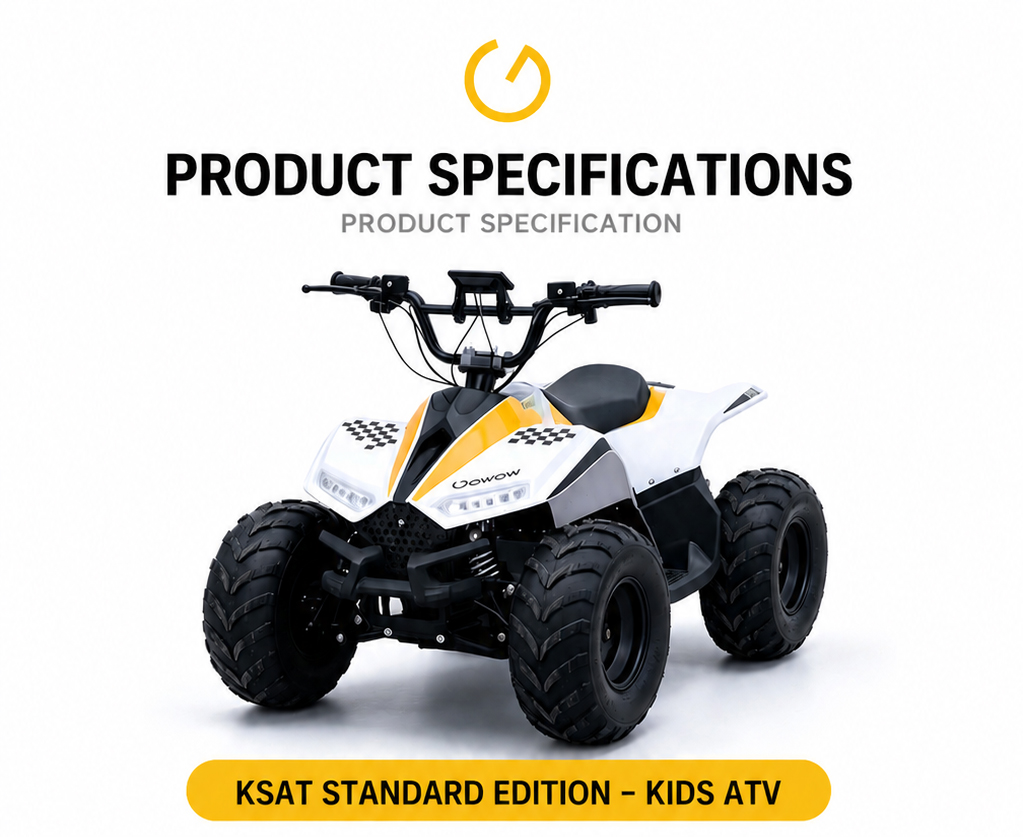
Summer Promotion: Place an order of USD 50,000 and pay the deposit to receive one children’s ATV as a free gift.
Online consulting
If you have any questions, please contact our online customer service staff immediately
Customized Three-Way Stacker: A Smart Solution for Narrow-Aisle Warehousing | MKBK Hoist
 Click:8
  Time:2026-10-09 10:26:03
When warehouse space gets tight, the answer isn't always to build a bigger warehouse. Sometimes, it's to use the space you already have more intelligently.
Every warehouse manager knows the problem. More orders come in, inventory grows, and the available floor space stays exactly the same. Adding more racks sounds like a good idea, until the aisles become too narrow for conventional material handling equipment to work efficiently.
This is where a Three-Way Stacker can make a real difference.
Designed for pallet handling in space-restricted warehouse environments, a three-way stacker uses a specialized fork mechanism to access loads in different directions. Depending on the design, the forks can rotate or move sideways, allowing pallets to be handled on either side of an aisle without requiring the entire truck to turn in the same way as a conventional forklift.
At MKBK Hoist, we offer customized three-way stacker solutions with a requested load-capacity range of 1–10 tons and lifting heights of 1.6–4.5 meters, subject to the final design and technical assessment.
Our goal is straightforward: help customers find equipment that fits their loads, their warehouse layout and the way they actually work.

What Is a Three-Way Stacker?
A three-way stacker is a specialized material handling machine designed to lift, move and stack palletized goods in restricted working areas.
Unlike a conventional forklift, which usually needs to turn its body to approach a pallet from a different direction, a three-way stacker uses a dedicated fork mechanism to handle loads in multiple directions. Depending on the configuration, the forks can move forward and backward, rotate or shift sideways to access pallets stored on either side of the aisle.
This design can reduce the space needed for turning and help warehouses make better use of their available floor area.
For businesses with high rack density, narrow aisles or limited expansion options, that can be a meaningful advantage.
A three-way stacker is not simply a smaller forklift. Its value comes from the way the fork mechanism, mast, chassis and warehouse layout work together.
Why Choose a Customized Three-Way Stacker?
Not every warehouse has the same requirements.
One customer may handle compact pallets of industrial components. Another may store heavy machinery parts. A third may need to use existing racks and cannot easily change the aisle width.
Choosing equipment based only on a catalogue specification can lead to problems later.
A customized three-way stacker allows key requirements to be assessed before the machine is built. These may include rated capacity, lifting height, fork dimensions, overall machine size, battery configuration, control system and other application-specific details.
For MKBK Hoist, customization begins with a simple question:
What do you need the machine to do in your warehouse?
Once we understand the job, we can discuss which configuration is technically suitable.
1–10 Ton Capacity: Start with the Real Load
The requested capacity range for this project is 1 ton to 10 tons. However, the appropriate capacity must be confirmed for the specific machine design.
A light pallet of packaged products and a heavy industrial load create very different demands on the equipment. Load dimensions and the position of the load also matter.
For example, a long or unevenly distributed load may place greater demands on the fork structure and the machine's stability than a compact load of the same weight.
This is why rated capacity should never be considered in isolation.
The final selection needs to account for the load weight, load center, fork configuration, lifting height and operating conditions. The manufacturer should confirm the rated capacity and applicable load chart for the final model.
Lifting Heights from 1.6 to 4.5 Meters
Different warehouses use different rack heights.
Some customers need a stacker mainly for moving pallets from floor level to low storage positions. Others need additional height for medium-level racking or production-line storage.
MKBK Hoist can discuss lifting heights within the requested range of 1.6–4.5 meters, subject to the selected capacity, mast design and configuration.
A higher mast is not automatically the better option. The machine also needs to fit under doors, beams and other overhead obstructions when the mast is lowered. At the required working height, stability and remaining rated capacity must also be considered.
The right lifting height is the one that serves the warehouse's actual storage layout without creating unnecessary restrictions during movement.
Engineer's View: Three-Way Movement Is Only Part of the Solution
The special fork mechanism is the most recognizable feature of a three-way stacker, but good performance depends on the whole machine.
First, the fork carriage must move accurately so the operator can approach the pallet openings and position the load correctly.
Second, the mast needs sufficient rigidity for the specified load and lifting height. As the forks rise, the structure is subject to changing forces, and excessive movement can make accurate pallet placement more difficult.
Third, the chassis and support arrangement must remain suitable for the intended operating conditions.
Finally, the machine needs to work within the aisle and rack layout, rather than simply fit through the aisle when unloaded.
This is why engineers need more than the requested tonnage to recommend a configuration. They also need to understand the pallet dimensions, load center, rack clearances, working aisle and frequency of use.
Make Better Use of Narrow Warehouse Aisles
In a conventional warehouse, aisles must provide enough space for the equipment to approach, turn and position a pallet.
That turning space takes up valuable floor area.
A three-way stacker can reduce the need for the whole truck to turn during certain pallet-handling operations. This can make it possible to plan storage more efficiently, depending on the machine configuration and warehouse layout.
For businesses working with existing buildings, this can be particularly useful. Expanding the building or redesigning the entire warehouse may be expensive or impractical.
However, the actual aisle width cannot be determined from the machine name alone. It depends on the truck dimensions, pallet size, load dimensions, rack arrangement and required clearance.
Before choosing a model, customers should confirm the aisle requirements with the manufacturer and check them against the real warehouse layout.
Where Can a Three-Way Stacker Be Used?
Three-way stackers can be considered for warehouses and industrial facilities where palletized loads need to be moved and stacked in limited space.
In logistics warehouses, they can help manage stored goods and make better use of rack space.
In manufacturing facilities, they can support the movement of components and finished products between storage and production areas.
In spare-parts warehouses, they can help operators access different pallet positions without unnecessary turning movements.
In distribution centers, they can support organized storage and retrieval when the layout is designed for the selected machine.
The key is to match the equipment to the work. A three-way stacker is most useful when its fork movement and dimensions suit the warehouse's storage arrangement.
Customization Options from MKBK Hoist
A standard configuration may not suit every application. Depending on the final design and technical feasibility, MKBK Hoist can discuss customization requirements such as rated capacity, lifting height, fork dimensions, overall dimensions, battery options, controls, color, branding and packaging.
For distributors and industrial equipment buyers, discussing these details early can help avoid mismatches between the equipment and the intended application.
Customization should not mean changing specifications without a clear purpose. It should solve a real working problem, such as fitting a specific pallet, meeting a required lifting height or operating within a restricted warehouse aisle.
What Information Should You Prepare for a Quotation?
To help us evaluate your requirements, please provide the maximum load weight, pallet dimensions, required lifting height and available aisle width.
It is also helpful to know the dimensions of the load, the height of the warehouse doors and beams, the rack arrangement, the floor condition and how frequently the equipment will be used.
If you already have a warehouse layout or photos of the working area, those can help clarify the application.
With this information, MKBK Hoist can discuss the appropriate configuration and identify the technical points that need to be confirmed before production.
Choose Equipment Around Your Warehouse, Not Just a Catalogue
A three-way stacker should do more than lift a pallet. It should fit the aisle, reach the required storage position and handle the intended load within its rated operating limits.
That is why choosing the right model requires a balance between capacity, lifting height, fork movement, stability and warehouse layout.
At MKBK Hoist, we work with customers to discuss customized material handling solutions based on their real requirements.
If you are looking for a customized three-way stacker with a target capacity of 1–10 tons and a lifting height of 1.6–4.5 meters, send us your load details and warehouse dimensions.
We can start by understanding the job, then work toward a suitable technical solution.
A smarter warehouse isn't always a bigger warehouse. It's a warehouse where every movement has a purpose.
MKBK Hoist — Practical material handling solutions built around your needs.
- Previous Article:
- Next Article: MKBK Hoist 2026 China National Day Holiday Notice | October 1–7

 Factory Address: Dongl ü industrial Area,Qingyuan District, Baoding City, Hebei Province, China
 Contact number:
 Emall:
  Website:





 Home
Home Whatsapp
 Email
Email