
 English
 русский
 Español
 Indonesia
 Tiếng Việt
 Current Location:
Categories
Hot News
-
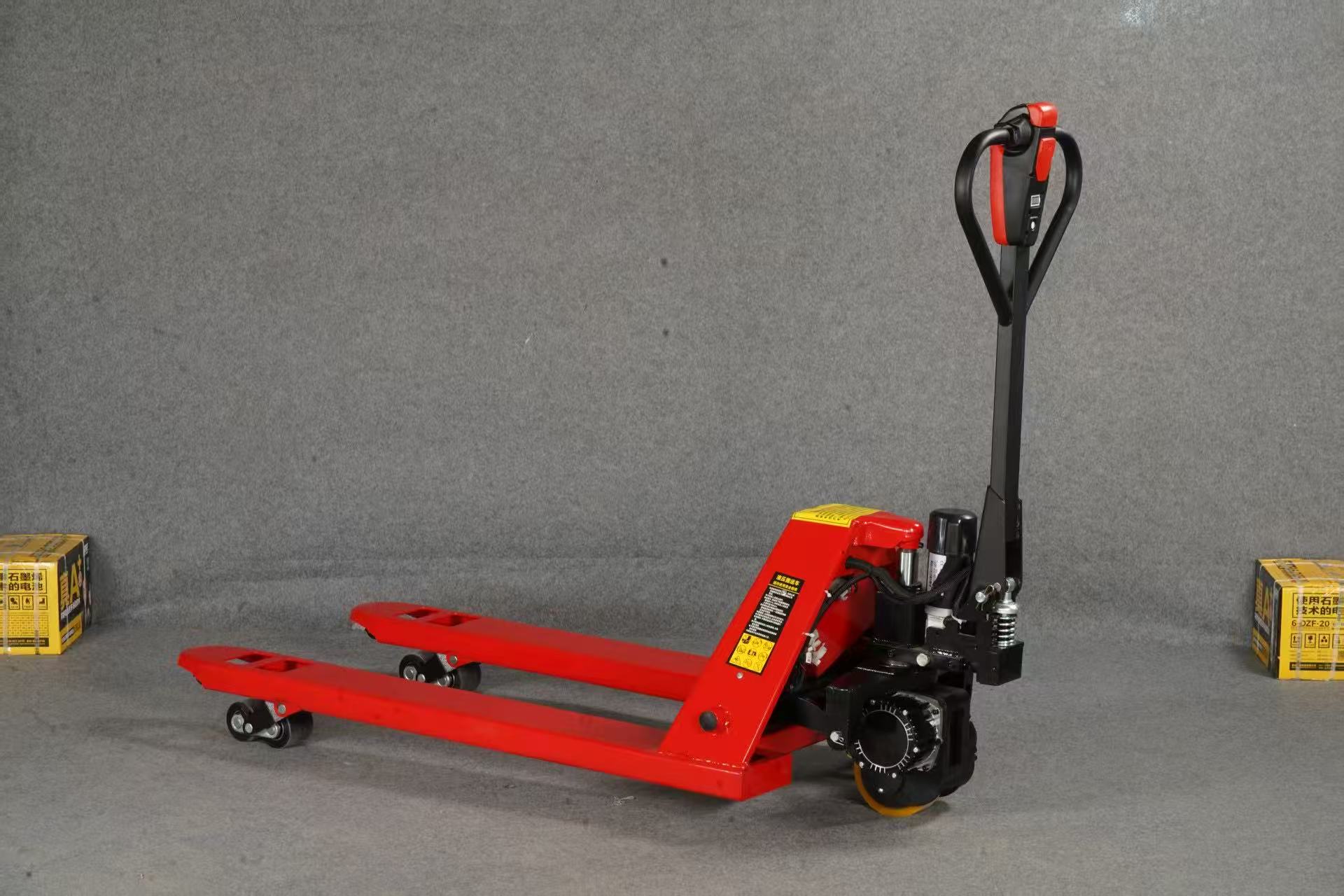
2 Ton Lithium Electric Pallet Truck: A Smart Profit-Boosting Product for Modern Warehouses
-
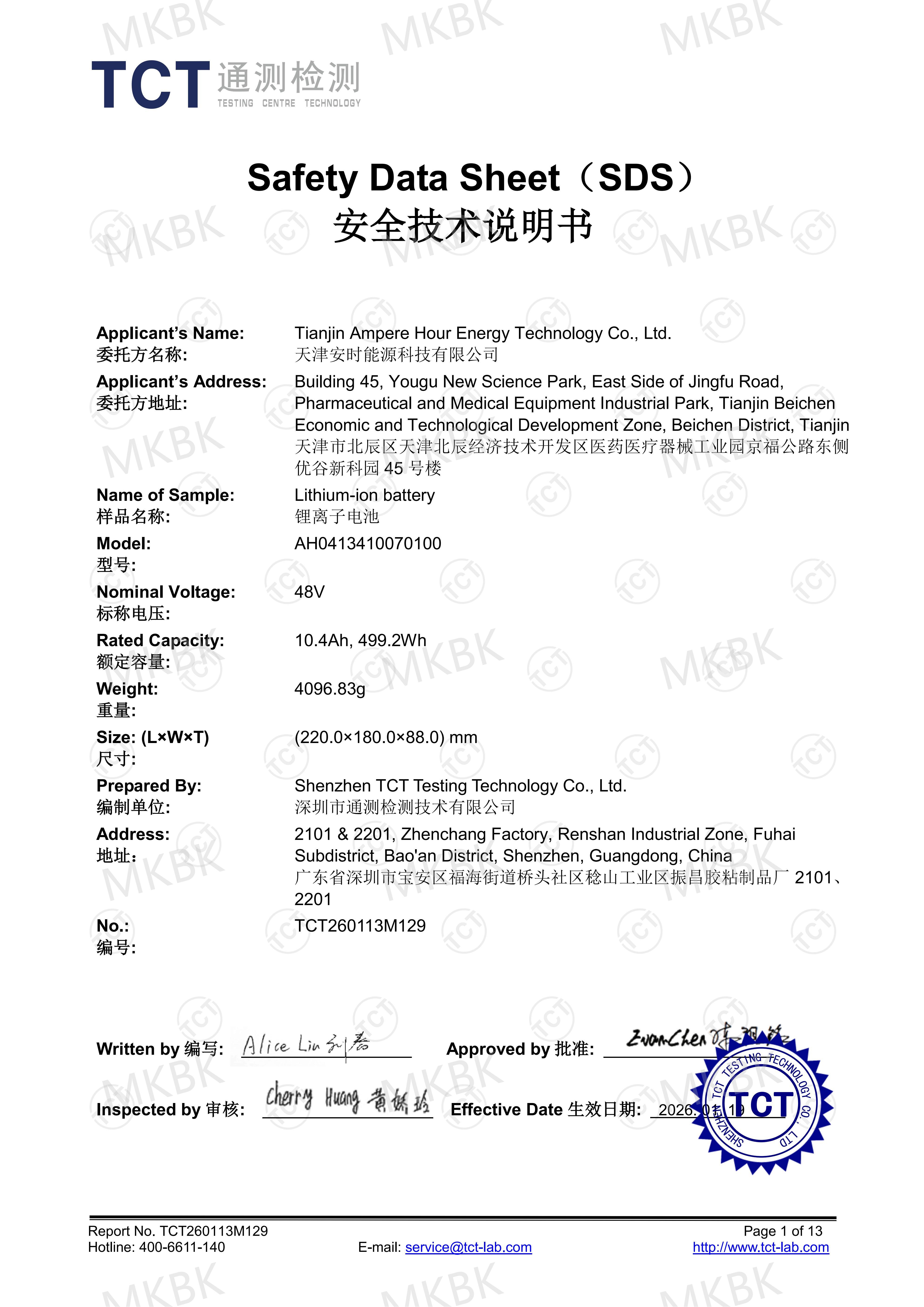
Lithium Electric Pallet Trucks Successfully Certified: Export Restrictions No Longer a Problem
-
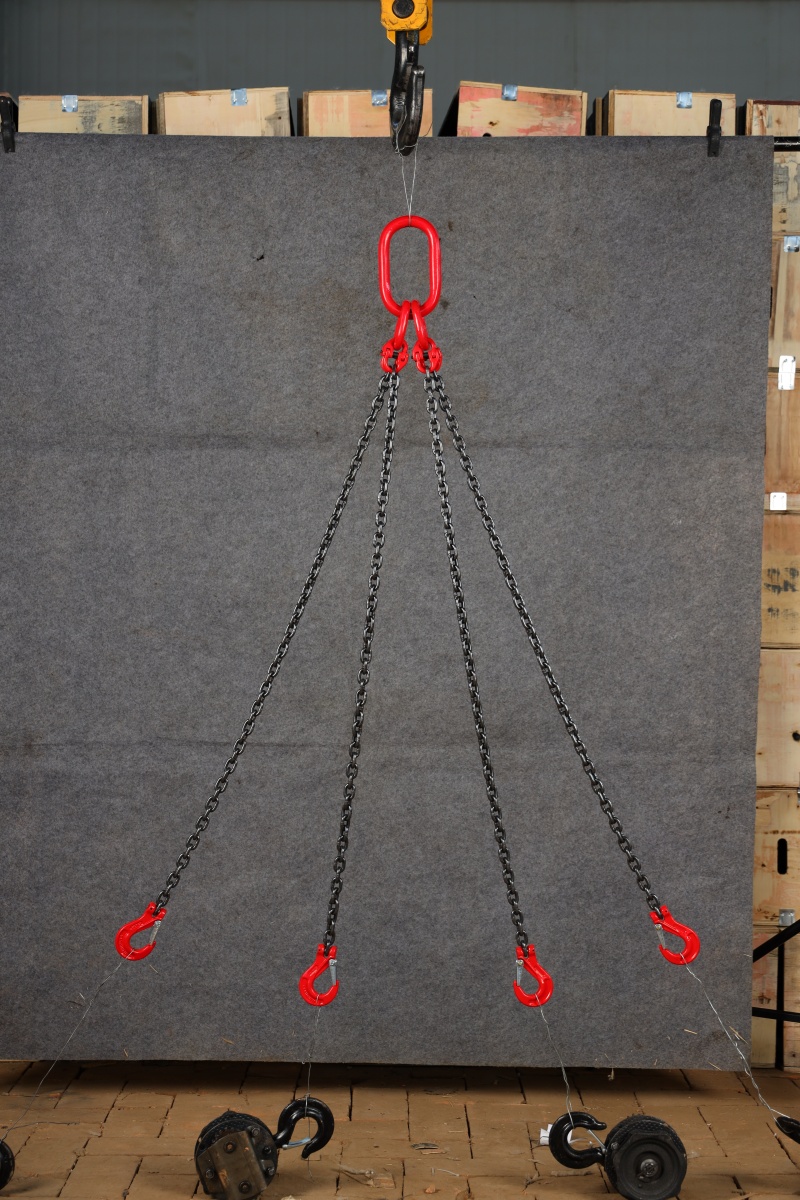
Top 6 Lifting Chains With Hooks: What You Need to Know
-
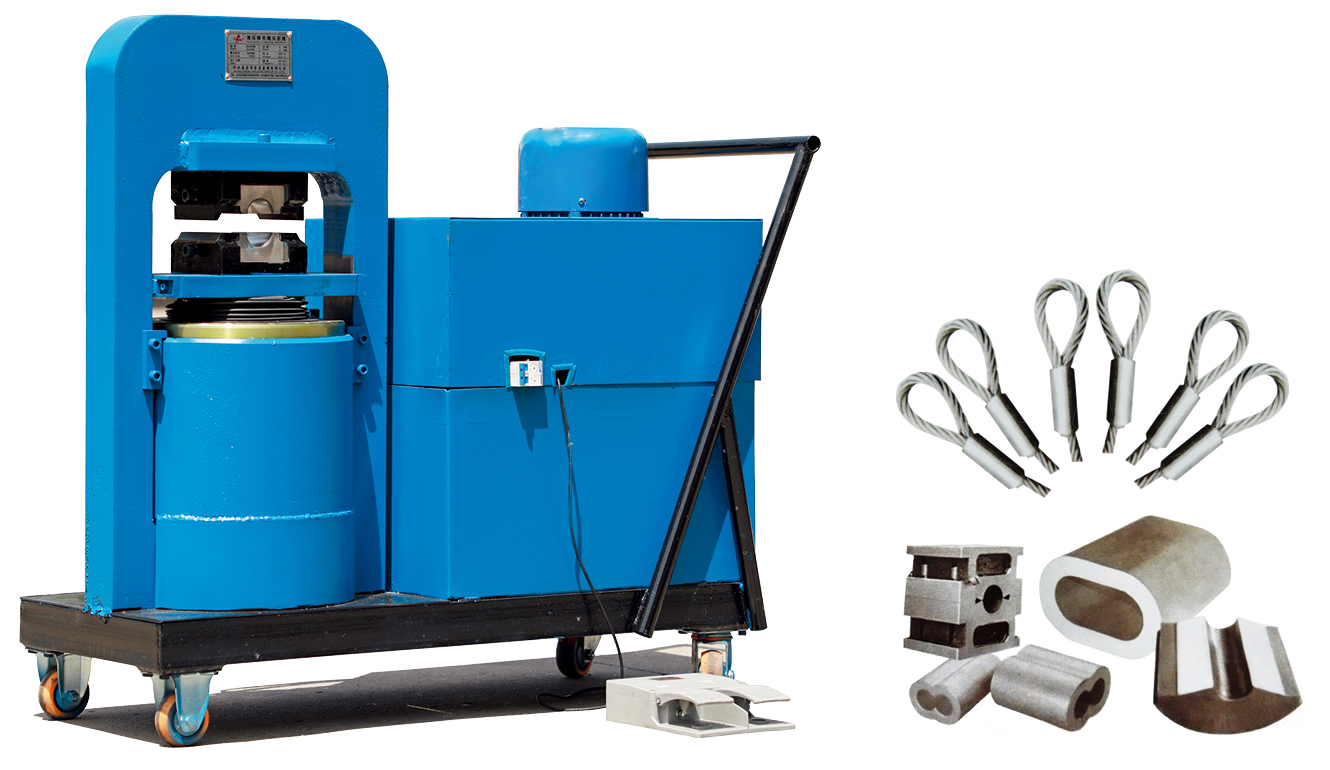
High-Precision Wire Rope Swaging Machines: Ensure Safety and Efficiency for Every Lift

Online consulting
If you have any questions, please contact our online customer service staff immediately
What are the 4 categories of material handling equipment?
 Click:1358
  Time:2025-12-25 15:46:46
The 4 Essential Categories of MACABAKA Lifting Equipment Material Handling Equipment: Boost Your Operational Efficiency
In today’s fast-paced industrial and logistics environments, efficiency is everything. The right material handling equipment can be the difference between a streamlined, profitable operation and one plagued by delays, high costs, and safety risks. But with so many options on the market, how do you navigate the landscape?
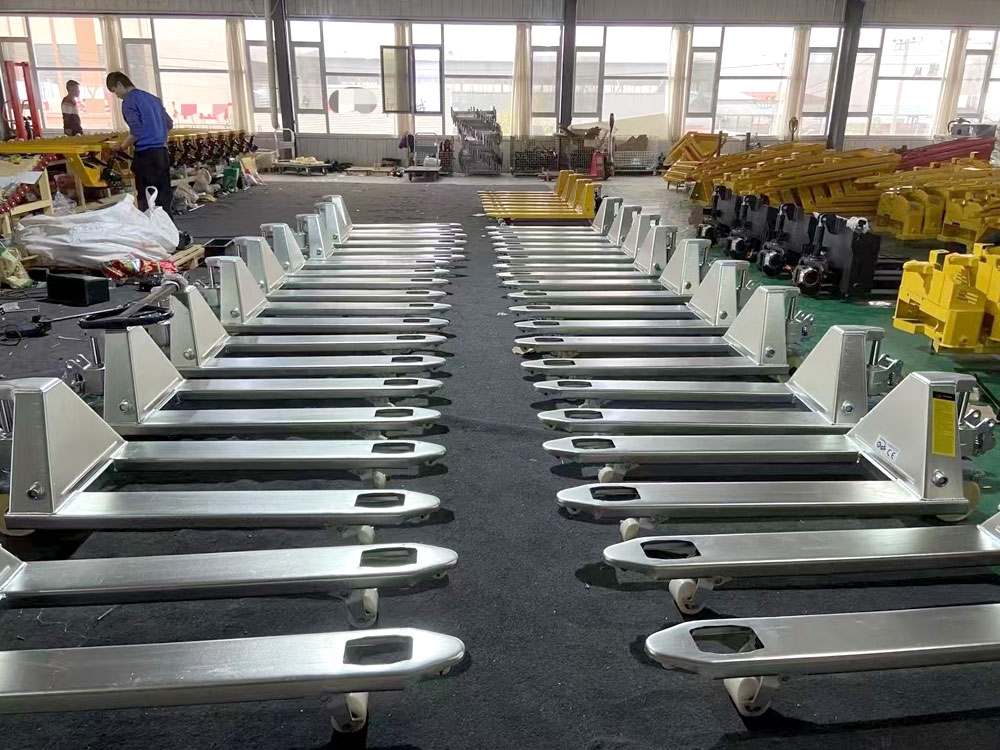 Understanding the four fundamental categories of material handling equipment is the first critical step to optimizing your workflow, reducing manual labor, and accelerating your ROI. This guide breaks down each category, their applications, and how choosing the right mix can transform your productivity.
Why Material Handling Equipment Classification Matters
Material handling encompasses the movement, protection, storage, and control of materials and products throughout manufacturing, warehousing, distribution, consumption, and disposal. Properly categorizing equipment helps businesses:
Systematize Operations: Create a coherent, efficient flow.
Improve Safety: Reduce manual handling injuries.
Enhance Space Utilization: Maximize cubic storage space.
Increase Throughput: Move more goods in less time.
Make Informed Investments: Purchase the right tools for your specific needs.
 The 4 Core Categories of Material Handling Equipment
1. Storage & Handling Equipment
This category is the foundation of organization. It includes equipment used to hold materials during intervals in the production or distribution process.
Key Examples: Racking systems (pallet, cantilever, drive-in), shelving, bins and drawers, mezzanines, storage cabinets.
Primary Benefit: Maximizes vertical space, improves inventory control, and provides easy access to stored items.
Ideal For: Warehouses, distribution centers, manufacturing facilities with part storage needs.
2. Bulk Material Handling Equipment
This is for moving and processing large volumes of loose, unpackaged materials—like powders, grains, ores, or liquids.
Key Examples: Conveyor systems (belt, screw, pneumatic), bucket elevators, hoppers, silos, stackers, reclaimers.
Primary Benefit: Automates high-volume transfer, ensures consistent feed in processing, and minimizes material loss and contamination.
Ideal For: Agriculture, mining, food processing, chemical, and pharmaceutical industries.
3. Industrial Trucks & Vehicles
These are the mobile workhorses used to move unit loads (like pallets or containers) over varying distances, both horizontally and vertically.
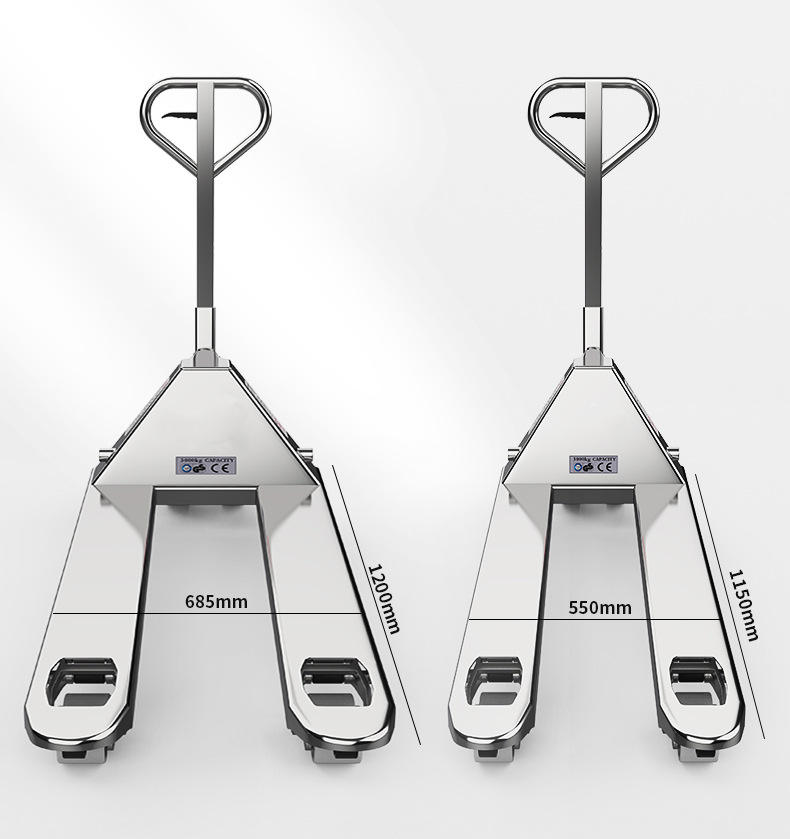
Key Examples: Forklifts (counterbalance, reach trucks, order pickers), pallet jacks (manual & electric), tow tractors, automated guided vehicles (AGVs) and autonomous mobile robots (AMRs).
Primary Benefit: Provides flexible, powerful transport for loaded pallets and goods, essential for loading/unloading and internal transit.
Ideal For: Virtually every warehouse, dock, and manufacturing plant. The shift toward AGVs/AMRs is key for modern automation strategies.
4. Engineered Systems & Automation
This advanced category represents integrated, computer-controlled systems that automate the entire storage and retrieval process.
Key Examples: Automated Storage and Retrieval Systems (AS/RS), carousels (horizontal & vertical), robotic picking and packing systems, conveyor-based sortation systems.
Primary Benefit: Delivers maximum speed, accuracy, and density. Dramatically reduces labor costs and human error while providing real-time inventory data.
Ideal For: High-volume operations, cold storage, e-commerce fulfillment centers, and businesses seeking a competitive edge through technology.
How to Choose the Right Mix for Your Business
Selecting equipment isn't about picking one category. It's about creating a synergistic system. Here’s a quick guide:
Analyze Your Flow: Map your material’s journey from receiving to shipping. Identify bottlenecks.
Define Your Load: Are you handling unit loads (pallets) or bulk materials? This dictates your focus.
Assess Space & Volume: High ceilings? Focus on Storage and AS/RS. Limited floor space? Industrial Trucks like narrow-aisle reach trucks are vital.
Consider Labor & Automation Goals: To reduce manual labor and scale efficiently, invest in Engineered Systems and automated Industrial Trucks (AGVs).
Plan for the Future: Choose scalable solutions that can grow with your throughput.
Unlock Your Operational Potential
The intelligent integration of equipment from these four categories is what separates market leaders from the rest. It’s not just about moving things—it’s about moving them smarter, safer, and faster.
Ready to transform your material handling efficiency?
Our experts specialize in auditing operations and designing tailored solutions that blend the perfect balance of storage, bulk handling, industrial vehicles, and automation. We help you build a future-proof system that cuts costs and drives growth.
[Contact Us Today] for a free, no-obligation consultation and see how a strategic approach to material handling can revolutionize your bottom line.
Boost Productivity. Enhance Safety. Scale with Confidence.
In today’s fast-paced industrial and logistics environments, efficiency is everything. The right material handling equipment can be the difference between a streamlined, profitable operation and one plagued by delays, high costs, and safety risks. But with so many options on the market, how do you navigate the landscape?
Why Material Handling Equipment Classification Matters
Material handling encompasses the movement, protection, storage, and control of materials and products throughout manufacturing, warehousing, distribution, consumption, and disposal. Properly categorizing equipment helps businesses:
Systematize Operations: Create a coherent, efficient flow.
Improve Safety: Reduce manual handling injuries.
Enhance Space Utilization: Maximize cubic storage space.
Increase Throughput: Move more goods in less time.
Make Informed Investments: Purchase the right tools for your specific needs.
1. Storage & Handling Equipment
This category is the foundation of organization. It includes equipment used to hold materials during intervals in the production or distribution process.
Key Examples: Racking systems (pallet, cantilever, drive-in), shelving, bins and drawers, mezzanines, storage cabinets.
Primary Benefit: Maximizes vertical space, improves inventory control, and provides easy access to stored items.
Ideal For: Warehouses, distribution centers, manufacturing facilities with part storage needs.
2. Bulk Material Handling Equipment
This is for moving and processing large volumes of loose, unpackaged materials—like powders, grains, ores, or liquids.
Key Examples: Conveyor systems (belt, screw, pneumatic), bucket elevators, hoppers, silos, stackers, reclaimers.
Primary Benefit: Automates high-volume transfer, ensures consistent feed in processing, and minimizes material loss and contamination.
Ideal For: Agriculture, mining, food processing, chemical, and pharmaceutical industries.
3. Industrial Trucks & Vehicles
These are the mobile workhorses used to move unit loads (like pallets or containers) over varying distances, both horizontally and vertically.
Key Examples: Forklifts (counterbalance, reach trucks, order pickers), pallet jacks (manual & electric), tow tractors, automated guided vehicles (AGVs) and autonomous mobile robots (AMRs).
Primary Benefit: Provides flexible, powerful transport for loaded pallets and goods, essential for loading/unloading and internal transit.
Ideal For: Virtually every warehouse, dock, and manufacturing plant. The shift toward AGVs/AMRs is key for modern automation strategies.
4. Engineered Systems & Automation
This advanced category represents integrated, computer-controlled systems that automate the entire storage and retrieval process.
Key Examples: Automated Storage and Retrieval Systems (AS/RS), carousels (horizontal & vertical), robotic picking and packing systems, conveyor-based sortation systems.
Primary Benefit: Delivers maximum speed, accuracy, and density. Dramatically reduces labor costs and human error while providing real-time inventory data.
Ideal For: High-volume operations, cold storage, e-commerce fulfillment centers, and businesses seeking a competitive edge through technology.
How to Choose the Right Mix for Your Business
Selecting equipment isn't about picking one category. It's about creating a synergistic system. Here’s a quick guide:
Analyze Your Flow: Map your material’s journey from receiving to shipping. Identify bottlenecks.
Define Your Load: Are you handling unit loads (pallets) or bulk materials? This dictates your focus.
Assess Space & Volume: High ceilings? Focus on Storage and AS/RS. Limited floor space? Industrial Trucks like narrow-aisle reach trucks are vital.
Consider Labor & Automation Goals: To reduce manual labor and scale efficiently, invest in Engineered Systems and automated Industrial Trucks (AGVs).
Plan for the Future: Choose scalable solutions that can grow with your throughput.
Unlock Your Operational Potential
The intelligent integration of equipment from these four categories is what separates market leaders from the rest. It’s not just about moving things—it’s about moving them smarter, safer, and faster.
Ready to transform your material handling efficiency?
Our experts specialize in auditing operations and designing tailored solutions that blend the perfect balance of storage, bulk handling, industrial vehicles, and automation. We help you build a future-proof system that cuts costs and drives growth.
[Contact Us Today] for a free, no-obligation consultation and see how a strategic approach to material handling can revolutionize your bottom line.
Boost Productivity. Enhance Safety. Scale with Confidence.
- Previous Article:How Does a Hand Pallet Truck Work?
- Next Article: What is the most common material handling device?

 Factory Address: Dongl ü industrial Area,Qingyuan District, Baoding City, Hebei Province, China
 Contact number:
 Emall:
  Website:





 Home
Home Whatsapp
 Email
Email